

The Super Bowl is not just a football game; it is the most complex logistical puzzle in the world of corporate entertainment. When you are hosting high-net-worth clients or your C-suite executives, "good enough" is a recipe for a branding disaster. The difference between a seamless, high-impact experience and a weekend of frustration lies in the details you overlook during the final blitz.
In the high-stakes world of corporate travel management, last-minute errors don't just cost money: they cost reputation. That is why identifying these pitfalls before they manifest is your most strategic move. At USA Entertainment Travel, we see the same logistical traps year after year.
Watch our latest strategy breakdown here: https://www.youtube.com/watch?v=l6J-0zileKE
Here are the 7 mistakes you are likely making with your last-minute Super Bowl logistics and exactly how to fix them to ensure your brand remains the MVP of the weekend.
1. Underestimating the "Last Mile" Gridlock
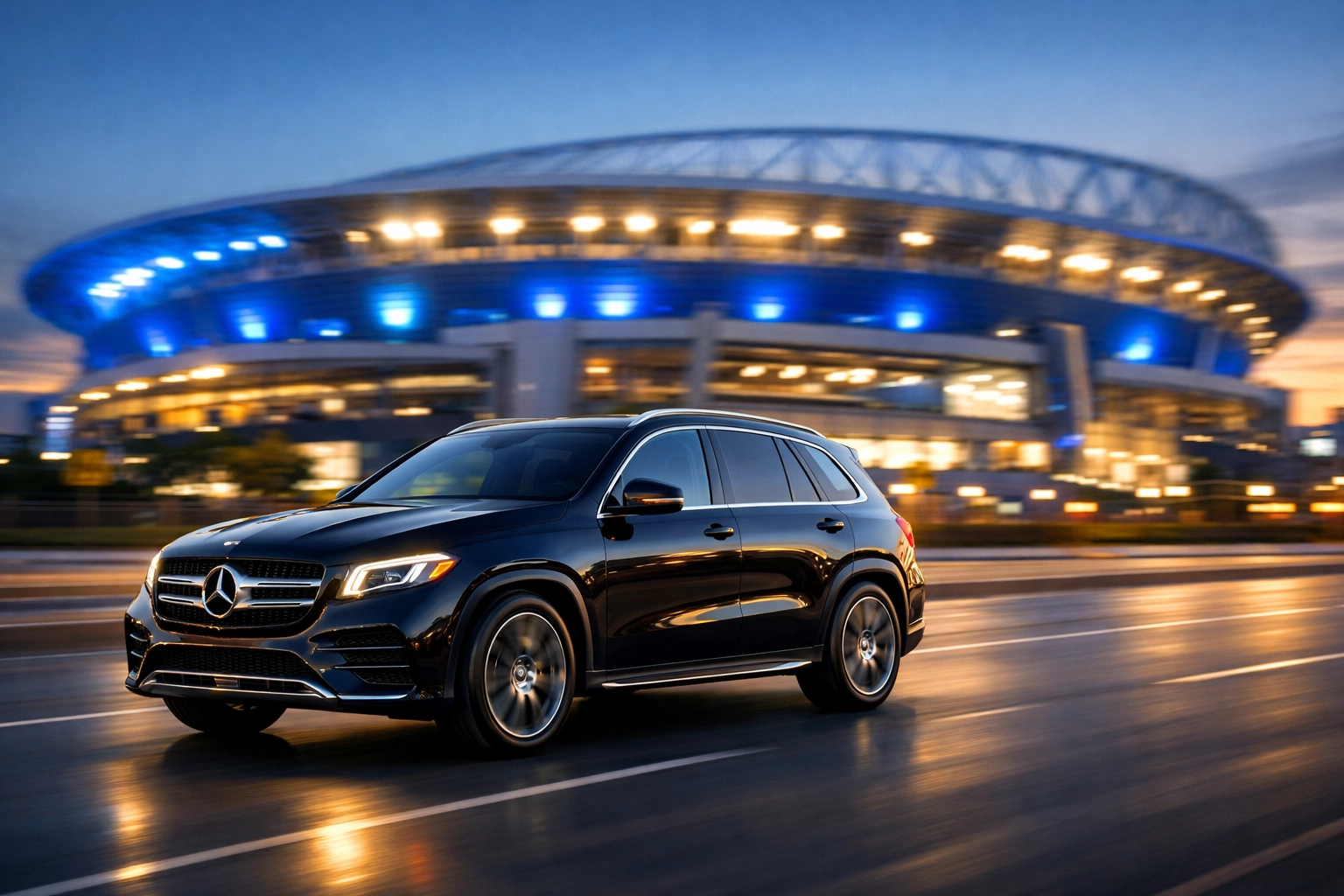
The biggest mistake you can make is assuming that a standard car service or rideshare app will suffice in the Super Bowl host city. During Super Bowl week, parking availability in the stadium vicinity often drops from 30,000 spaces to fewer than 12,000 to accommodate security perimeters and broadcast compounds. If your executives are relying on "standard" transportation, they will find themselves walking miles through security checkpoints or stuck in gridlock for hours.
The Fix: Secure professional chauffeurs with vetted "Blue" or "Gold" lot permits months in advance. If you are late to the game, pivot to dedicated shuttle loops or private motor coaches that have pre-cleared security access. You must treat transportation as a precision strike, not a casual commute. Understanding the nuances between VIP corporate travel and standard business travel is critical here.
2. Ignoring the Security Perimeter "Sweep"
The Super Bowl is a SEAR-1 (Special Event Assessment Rating) event, meaning federal agencies are involved in every square inch of the logistics. Many corporate planners fail to account for the "security sweep" times. Roads can close without notice, and pedestrian bridges may become one-way only. If your schedule is tight, a 15-minute delay at a perimeter check can cause your guests to miss the kickoff or a crucial pre-game networking event.
The Fix: Build a "buffer hour" into every movement. Ensure your travel management team has real-time updates from local law enforcement and host committees. You should also consult our playbook for executive safety and efficiency to understand how to navigate these high-security environments without compromising the guest experience.
3. Relying on Digital-Only Communication
In a stadium packed with 70,000 people and a city hosting a million fans, cellular networks and Wi-Fi frequently fail or lag significantly. If your primary way of communicating logistics to your VIPs is through a group chat or a standard app, you are courting disaster. When the network drops, your guests are lost.
The Fix: Implement a "High-Touch, Low-Tech" backup. Provide every guest with a physical, high-quality "Field Guide" or "Credential Packet" that includes emergency contact numbers, physical maps, and printed itineraries. Additionally, station "Human Signposts": dedicated concierge staff: at key transition points like hotel lobbies and stadium entries. This ensures that even when the tech fails, your service remains flawless.
4. Failing to Leverage Your Travel as a Branding Opportunity
Many companies view Super Bowl logistics as a cost center rather than a marketing investment. They focus so much on the "how" of getting people to the game that they forget the "why." If your guests are just sitting in a generic van or staying in a hotel with no brand presence, you are wasting a massive opportunity for ROI.
The Fix: Transform every touchpoint into a brand experience. From branded luxury gift bags in the hotel room to custom-curated pre-game briefings, every logistical step should reinforce your company’s value. Learn how to transform Super Bowl corporate travel into a strategic branding opportunity to ensure your investment pays dividends long after the final whistle.
5. Overlooking Weather Contingencies for Outdoor Activations
Whether the game is in a cold-weather city or a tropical climate, weather is a logistical disruptor. We have seen halftime shows assembled in under eight minutes by volunteers, but those same volunteers can be slowed by sudden wind or rain. For your corporate events, a lack of a "Plan B" for weather can lead to a literal washout of your networking goals.
The Fix: Every outdoor activation must have an indoor "Shadow Venue." If you are hosting a rooftop party, ensure you have a pre-negotiated buyout for the lounge downstairs. For transportation, ensure your vehicles are equipped for the specific climate (e.g., heated seating for cold climates or extra cooling capacity for heatwaves). Predictive analytics and AI-driven weather tracking are now essential tools for the modern travel manager. See how AI is improving corporate travel budgets by predicting these disruptions.

6. The "Impossible" Dinner Reservation Trap
At the Super Bowl, the game is only four hours of a four-day experience. The real business happens over dinner. One of the most common mistakes is trying to book high-end dining for groups of 10 or more just weeks before the event. The city’s top restaurants are often fully bought out by sponsors and major brands a year in advance.
The Fix: Stop looking for "reservations" and start looking for "partnerships." Work with a travel management firm that has existing relationships with local hospitality groups. Often, the best "fix" is to host a private, catered event in a high-end suite or a converted gallery space. This gives you total control over the environment and the guest list, turning a logistical hurdle into a VIP hosting marketing investment.
7. Managing the Event In-House (Unmanaged Travel)
The most expensive mistake you can make is assuming your internal executive assistants can handle the sheer scale of Super Bowl logistics. Standard corporate travel tools are not built for the anomalies of a Super Bowl: the price surges, the minimum stay requirements, and the specialized access permits. Trying to do this yourself often leads to "leakage" in the budget and massive stress for your staff.
The Fix: Move from unmanaged to managed travel for high-stakes events. A dedicated corporate travel management firm brings the leverage of volume and the precision of experience. When you compare unmanaged travel vs. managed travel, the savings in both money and executive time are undeniable.

Elevate Your Logistics to the Championship Level
The Super Bowl is an unforgiving environment for the unprepared. By addressing these seven common mistakes, you shift your focus from "surviving the weekend" to "dominating the market." Excellence in logistics is the foundation upon which great brand stories are built.
If you are realizing that your current plans have gaps, or if you want to ensure your next executive trip is handled with the precision of a professional sports team, it is time to consult the experts. We don't just book flights; we engineer experiences.
Dive deeper into our strategies by watching this video: https://www.youtube.com/watch?v=l6J-0zileKE
Don't let a logistical oversight become a permanent mark on your corporate reputation. Fix your strategy today and ensure your team is ready for the Big Game.
Contact USA Entertainment Travel:
Phone: +1 970-709-0037
Email: info@usaev.com