

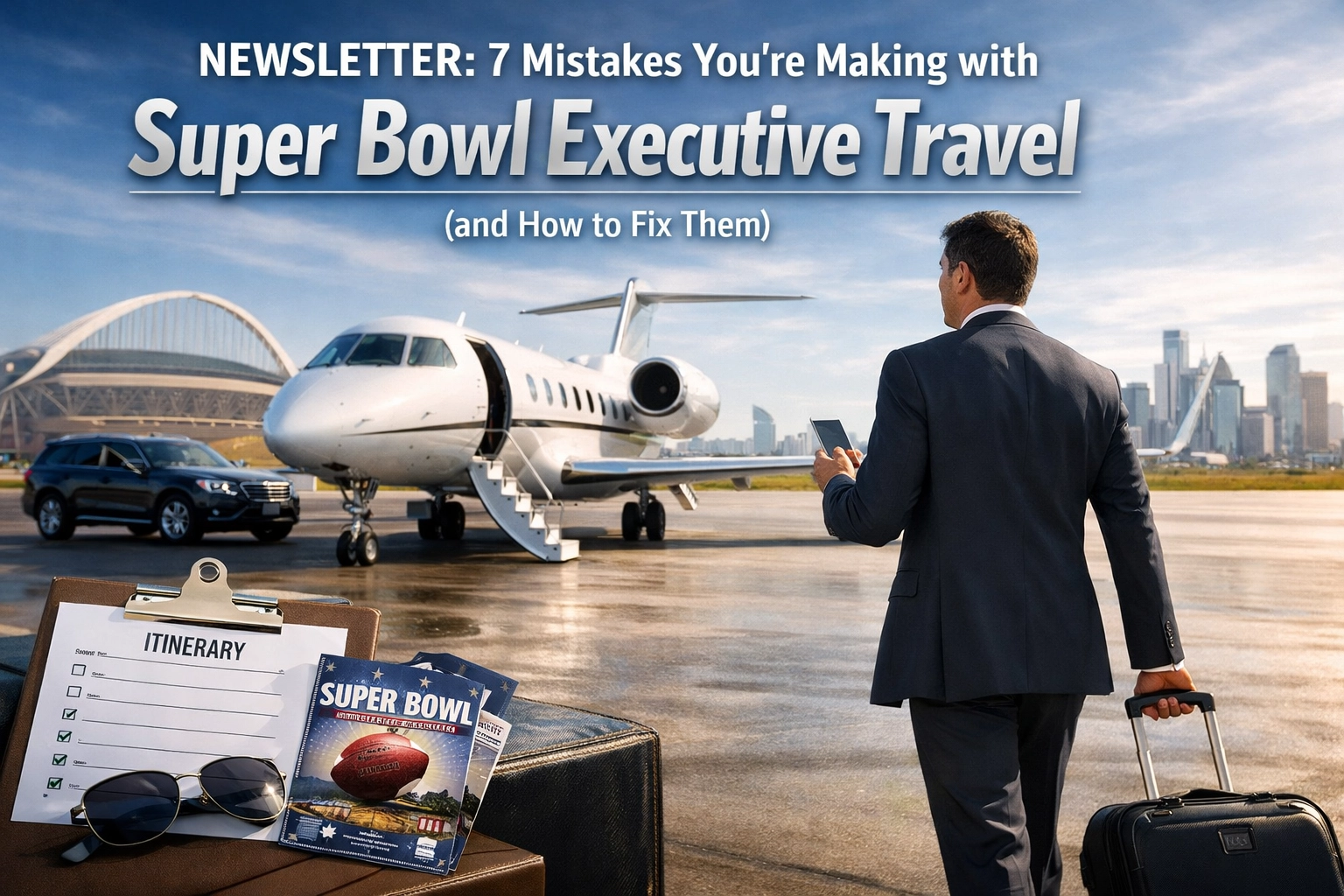
High-stakes corporate travel is a game of inches, and when the stage is the Super Bowl, those inches represent thousands of dollars in ROI and the reputation of your brand. You are not just attending a game; you are managing a mobile corporate headquarters in the middle of a logistical storm. The initial impression your travel arrangements make on your executives and VIP clients is crucial, and that’s where most companies falter.
In the world of corporate travel management, the Super Bowl is the ultimate stress test. If you treat it like a standard business trip to a conference, you’ve already lost. Success requires a shift from reactive booking to proactive architecture. You must build a framework that accounts for extreme demand, security perimeters, and the physical exhaustion of high-intensity networking.
Here are the seven critical mistakes you’re likely making with your Super Bowl executive travel and the definitive steps to fix them before they impact your bottom line.
1. You’re Booking Your Assets Too Late
The cost of procrastination in the Super Bowl market is astronomical. If you are waiting until the playoff picture is clear to book your accommodations, you are essentially handing your budget over to price gougers. Hotels within a 20-mile radius of the stadium routinely see rate hikes of 300% to 500%. That standard $300-per-night executive suite quickly transforms into a $2,300-per-night liability.
The Fix: Secure your accommodations at least 90 to 120 days in advance. Leverage a corporate travel partner who maintains established relationships and block-booking contracts. By locking in rates early, you can save upwards of $20,000 per executive, freeing up capital for high-impact hospitality.

2. You’re Relying on Standard Rideshare Apps
The convenience of your phone’s rideshare app disappears the moment 70,000 people descend on a single stadium. During Super Bowl week, demand surges to a point where apps become non-functional. You will face wait times exceeding 45 minutes and surge pricing that makes a 10-mile trip cost as much as a flight. More importantly, standard drivers aren't cleared for security perimeters, leaving your executives to walk the final mile in the heat or rain.
The Fix: Pre-arrange dedicated private transportation with vetted drivers who specialize in event logistics. Ensure your transport team has the necessary permits to access VIP drop-off zones. This guarantees punctuality and preserves the executive experience from door to stadium. For more on handling these logistical hurdles, check out our guide to Super Bowl transportation logistics.
3. You’re Ignoring Multi-Point Security Bottlenecks
Security at the Super Bowl is not a single gate; it is a series of concentric circles. Each layer: hotel departures, transit hub transfers, and stadium perimeters: adds 15 to 30 minutes to your timeline. Executives often arrive expecting to breeze through, only to find themselves stuck in a "sterile zone" queue because their credentials or bags don't meet specific, last-minute requirements.
The Fix: Map every security touchpoint and add a 25-minute buffer to every segment of your itinerary. Provide your team with clear, concise "security cheat sheets" that outline what they can and cannot carry into the stadium. Dive deep into the nuances of executive hosting secrets to ensure your guests never feel the friction of these security measures.
4. You’re Overlooking High-Value Hospitality Suites
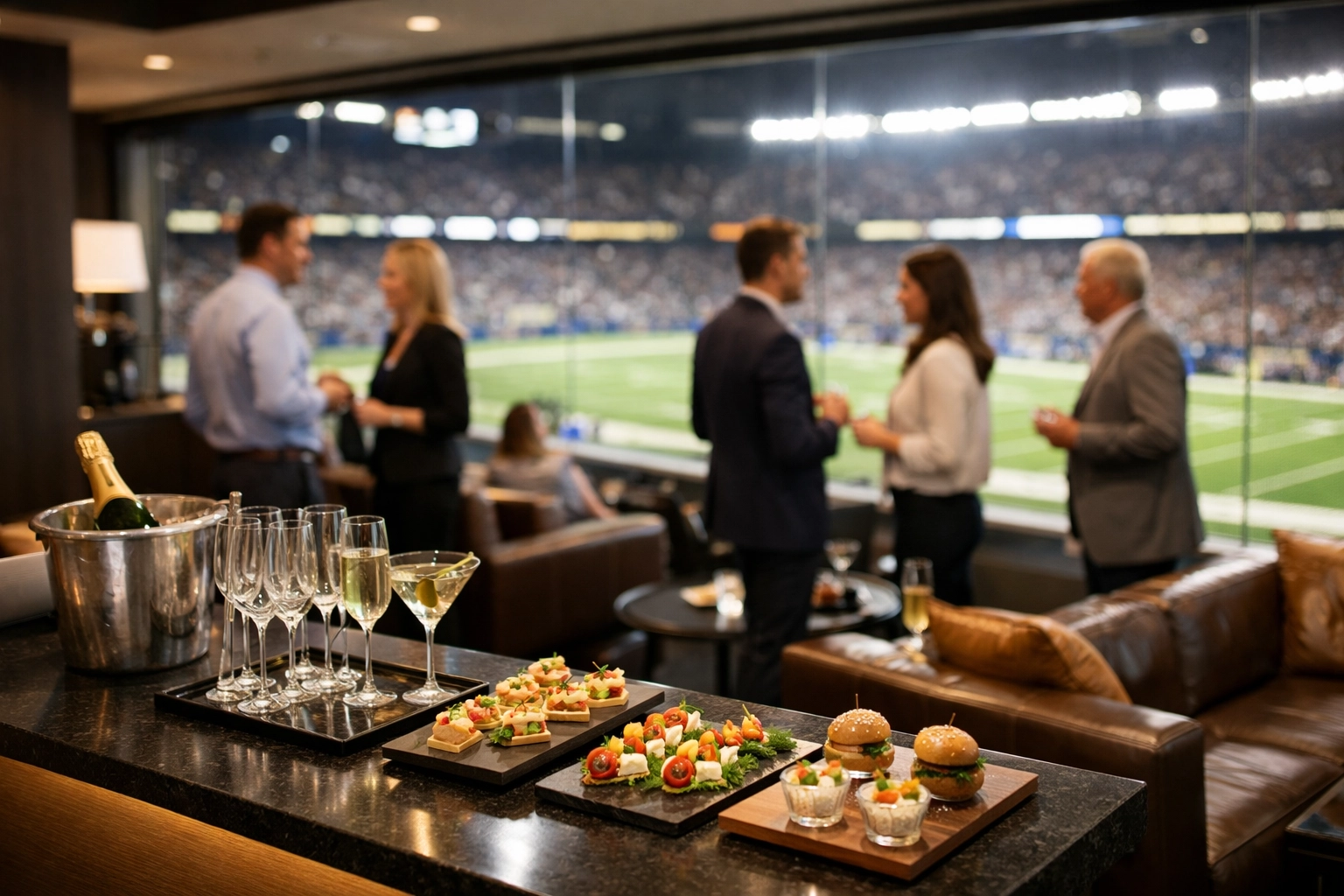
The game is the spectacle, but the hospitality suite is where the deals are closed. Many companies make the mistake of securing great seats but failing to provide a controlled environment for networking. If your executives are shouting over a stadium crowd to talk to a client, you’ve missed the point of the investment.
The Fix: Integrate VIP hospitality access into your travel package. These suites offer an intimate, high-comfort environment that facilitates the kind of high-stakes conversation that doesn't happen in the stands. Watch our latest insights on maximizing these opportunities here: https://www.youtube.com/watch?v=l6J-0zileKE.
5. You’ve Failed to Centralize Team Communication
When you have multiple executives, clients, and support staff moving across a city with closed roads and fluctuating schedules, "checking in via text" isn't enough. Information silos lead to missed meet-ups and wasted networking windows. One executive stuck at a security gate shouldn't mean the whole group loses their dinner reservation.
The Fix: Establish a dedicated communication command center. Use a centralized platform: whether it's a specific app or a managed concierge service: to share real-time location updates and schedule shifts. Designate a single point of contact as the logistics lead to handle all real-time adjustments. This is the difference between a chaotic trip and a seamless executive experience.
6. You Haven't Engineered a Departure Strategy
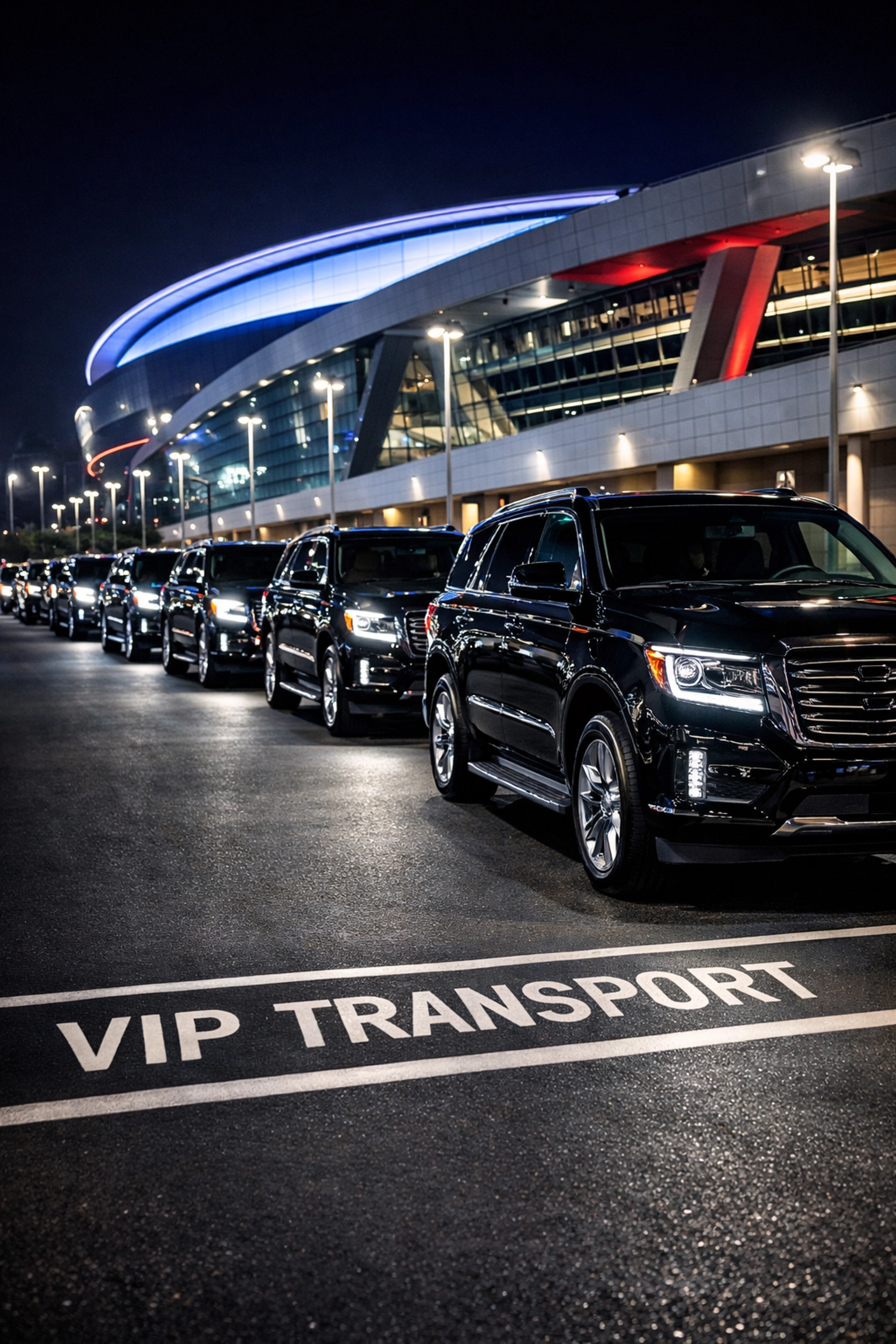
The most common point of failure occurs the moment the confetti hits the grass. While 70,000 people are trying to leave the stadium simultaneously, most travel plans fall apart. Waiting until the game ends to call for your transport is a recipe for a three-hour wait in a parking lot. This "post-game fatigue" can sour an otherwise perfect weekend.
The Fix: Reverse-engineer your departure. Your vehicles should be staged and ready in designated zones before the fourth quarter begins. Coordinate with your drivers to have a specific "extract point" that avoids the heaviest foot traffic. Ensure your return flights are scheduled for Sunday evening or Monday afternoon to avoid the early morning airport crush. For more tips on avoiding these pitfalls, read our analysis of why hosting plans fail.
7. You’re Not Accounting for Recovery Time
The Super Bowl is a marathon of networking, late-night events, and high-energy environments. Scheduling a 9:00 AM board meeting for the Monday after you return is a mistake that leads to burnout and poor decision-making. Your executives are your most valuable assets; don't return them to the office in a state of total exhaustion.
The Fix: Build "buffer time" into the itinerary. Plan for a half-day of rest upon return or, better yet, manage the travel schedule so that Monday is a transition day. Providing that extra window of recovery ensures that the momentum gained during the networking sessions is actually translated into productivity back at the office. This holistic approach is key to boosting your brand ROI.
Master the Logistics, Win the Weekend
The Super Bowl is more than a game; it is a high-stakes environment where your brand's operational excellence is on full display. By avoiding these seven common mistakes, you transform a logistical nightmare into a precision-engineered success. You ensure that your executives are focused on the people they are meeting, not the car that didn't show up.
Stop leaving your executive travel to chance. Implement these fixes today to safeguard your investment and provide a world-class experience for your VIPs.

Need expert help navigating the 2026 Super Bowl landscape?
USA Entertainment Travel specializes in high-stakes corporate travel management. We handle the friction so you can focus on the finish line.
Contact Us Today:
Phone: +1 970-709-0037
Email: info@usaev.com
Watch our strategy sessions: https://www.youtube.com/watch?v=l6J-0zileKE