
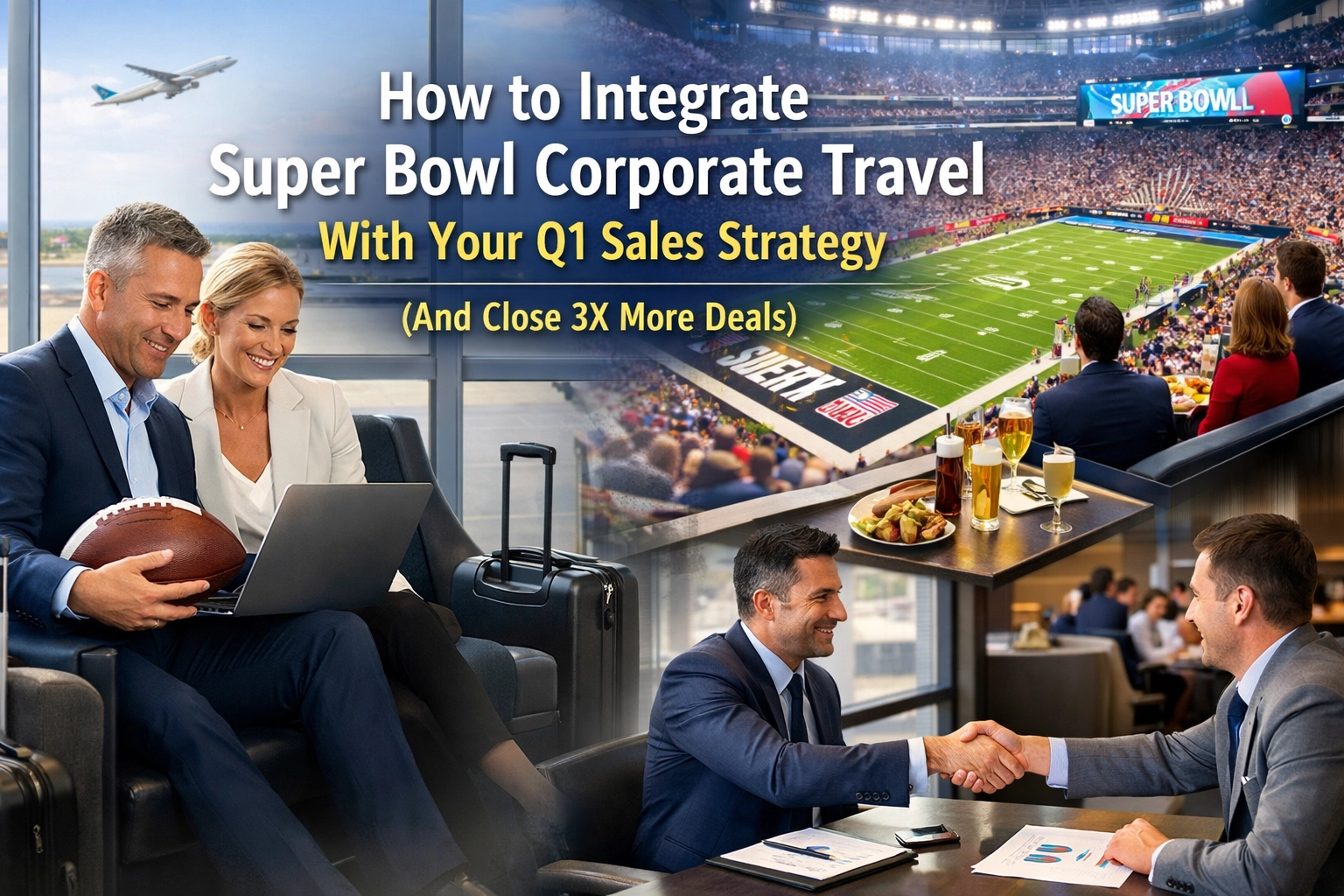
Your Q1 sales pipeline doesn't have to feel like a cold start after the holiday slowdown. And that's where the Super Bowl becomes your secret weapon, a high-energy, relationship-building catalyst that transforms corporate travel into closed deals.
Most sales teams treat the Super Bowl as a nice perk for top performers. You're about to discover how to weaponize it as a strategic sales accelerator that integrates seamlessly with your Q1 revenue goals.
Why Super Bowl Corporate Travel Outperforms Traditional Q1 Sales Tactics
Your prospects are drowning in emails and ignoring your calls in January and February. They're exhausted from year-end budgets and planning sessions. But they'll absolutely show up for an exclusive Super Bowl experience.
The data doesn't lie: face-to-face interactions at high-stakes events create emotional connections that email sequences can't replicate. When you're watching the game together in a luxury suite, sharing incredible food, and experiencing once-in-a-lifetime moments, you're not just another vendor. You become a trusted partner who delivers extraordinary experiences.
Here's what makes Super Bowl corporate travel different from standard sales entertainment: the event carries inherent prestige. Your invitation automatically elevates your brand positioning because the barrier to entry is high. Your prospects know this isn't cheap, and they recognize the investment you're making in the relationship.

The 3-Phase Integration Framework That Drives Deal Closure
Your Super Bowl corporate travel strategy needs structure to deliver ROI. This isn't about winging it, you need a systematic approach that aligns with your sales process.
Phase 1: Strategic Prospect Selection (30-45 Days Before)
Start by identifying high-value prospects who are already mid-funnel or late-stage in your sales cycle. You're looking for deals that are stuck in evaluation or decision-making phases. Super Bowl invitations create urgency and provide a natural deadline for conversations.
Prioritize prospects where relationship depth matters more than price sensitivity. If you're selling enterprise software, consulting services, or long-term partnerships, this environment is ideal for breaking through decision paralysis.
Phase 2: Pre-Event Relationship Acceleration (14-30 Days Before)
Once you've extended invitations, use the anticipation period strategically. Send personalized itineraries that showcase the premium experience ahead. Share behind-the-scenes details about your hospitality plans. This builds excitement and keeps your company top-of-mind during critical decision windows.
Schedule brief check-in calls framed around logistics, "Making sure you have everything you need for the trip." These touchpoints aren't sales calls, but they maintain momentum and demonstrate your attention to detail.
Phase 3: Post-Event Conversion Acceleration (7-14 Days After)
This is where most companies drop the ball. They throw an amazing event, then fail to capitalize on the goodwill generated. Your follow-up needs to be immediate, personalized, and tied directly to business outcomes.
Reference specific moments from the experience in your outreach. "I loved our conversation about supply chain challenges during halftime" creates instant rapport and jogs memory. Strike while the positive association is strongest.
Logistics That Actually Matter for Deal Closure
Your travel arrangements directly impact whether prospects associate your brand with excellence or chaos. And that's where meticulous planning separates amateur efforts from professional execution.
Book accommodations within walking distance of event venues whenever possible. When your guests navigate complicated transportation logistics, they're stressed and distracted. When they simply walk to exclusive experiences, they're relaxed and receptive.
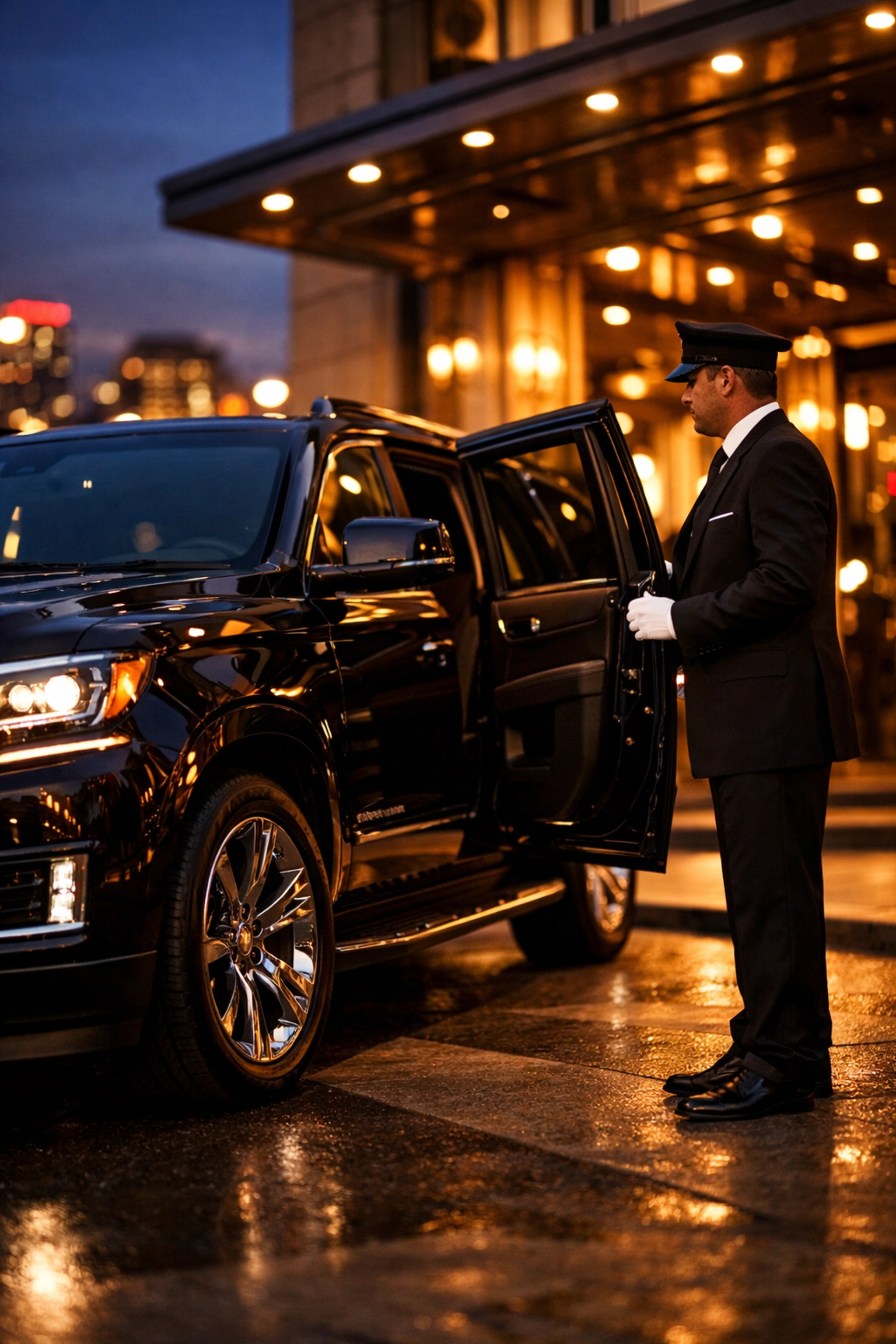
Arrange private transportation for all group movements. Shared rides create natural conversation opportunities and eliminate the friction of coordinating separate arrivals. These transit moments often generate some of the most valuable casual conversations about business needs.
Communicate every detail in advance through a mobile-friendly digital itinerary. Your prospects should never wonder what's happening next or where they need to be. This level of organization signals how you'll handle their business relationship, with proactive communication and flawless execution.
For comprehensive guidance on making these logistics seamless, check out this resource on Super Bowl corporate travel essentials that covers everything you need to plan.
Creating Multi-Touch Engagement Beyond Game Day
The Super Bowl itself lasts four hours. Your sales strategy should span weeks. Super Bowl Week now includes multiple events, Opening Night, media availability, brand activations, and networking receptions. Each creates additional touchpoint opportunities.
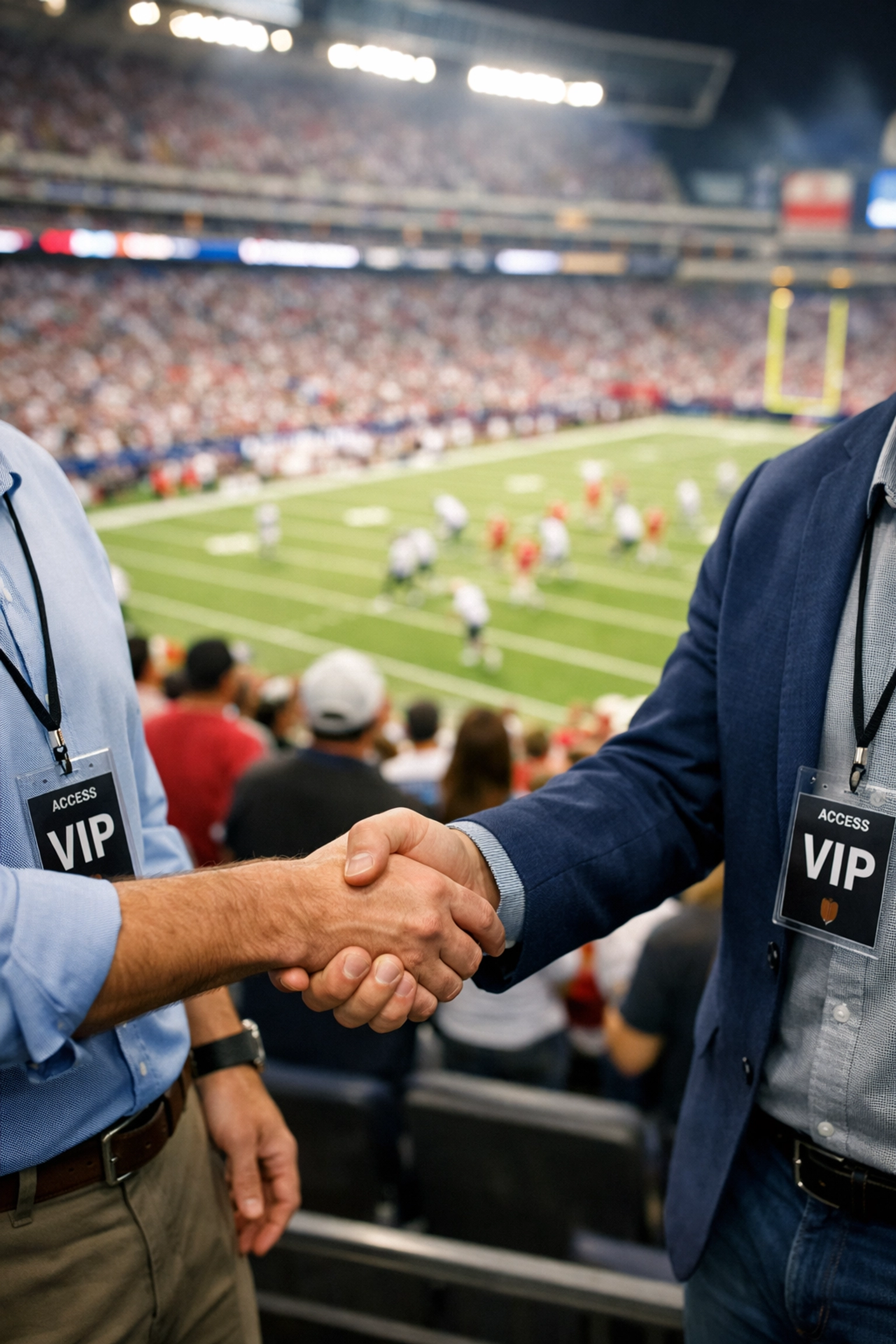
Design your corporate travel package to include exclusive experiences throughout the week, not just game day. VIP access to player meet-and-greets, private stadium tours, or invitation-only parties extends your face time with prospects exponentially.
These varied environments serve different relationship-building purposes. Formal dinners facilitate serious business discussions. Casual cocktail receptions enable lighter networking. Game-day excitement creates shared memorable moments. You need all three to build relationships that translate to closed deals.
Watch this detailed walkthrough of how strategic Super Bowl hospitality drives business outcomes:
https://www.youtube.com/watch?v=l6J-0zileKE
Measuring ROI and Pipeline Impact
Your CFO wants numbers, not anecdotes. Structure your Super Bowl corporate travel initiative with clear metrics tied to Q1 sales performance.
Track deal velocity for prospects who attend versus those who don't. Measure the time from invitation to contract signature. Calculate average deal size for Super Bowl-engaged opportunities compared to your standard pipeline.
Set specific conversion targets before the event. If you're investing in five prospect experiences, establish clear expectations: three should advance to proposal stage within 30 days, and two should close by end of Q1. These concrete goals transform hospitality spending into measurable sales investment.
Document qualitative outcomes too. Record key insights learned during informal conversations. Note relationship milestones achieved during the experience. These soft wins often predict hard revenue months later.
Scaling Your Super Bowl Sales Strategy Across Your Team
Your entire sales organization can benefit from Super Bowl integration, not just top performers. Create tiered participation options that align with different prospect values and sales stages.
Consider hosting a larger networking reception for mid-funnel prospects while reserving suite experiences for your highest-value opportunities. This lets you maximize the event's reach while maintaining exclusivity for premium prospects.
Develop playbooks that your sales team can execute consistently. Standardize pre-event communication templates, on-site conversation guides, and post-event follow-up sequences. This ensures every team member delivers professional experiences regardless of their individual event planning skills.
Coordinate with marketing to amplify your presence during Super Bowl season through digital campaigns, social media engagement, and content marketing. Your prospects who can't attend in person can still experience your brand's association with premium sports marketing.
For advanced client entertainment strategies that Fortune 500 companies use, explore these creative Super Bowl hospitality ideas to differentiate your approach.
Overcoming Common Integration Obstacles
Your biggest challenge isn't logistics, it's internal buy-in. Finance teams see expensive tickets. Sales leadership sees uncertain ROI. You need to reframe the conversation around customer lifetime value, not event costs.
Present Super Bowl corporate travel as an alternative to traditional trade shows or conferences. When you compare the per-prospect cost of booth space, travel, and staff time against exclusive hospitality, the numbers often favor high-impact experiences with fewer, better-qualified prospects.
Address concerns about appearing too lavish by emphasizing relationship building over entertainment. Position this as a strategic business development initiative that happens to take place at a premier sporting event, not a vacation disguised as work.
Start small if necessary. Pilot the program with 2-3 strategic prospects and measure results rigorously. Use that data to secure broader budget allocation for future years once you've proven the model works.

Your 2026 Q1 Action Plan Starts Now
The teams closing 3X more deals through Super Bowl corporate travel aren't lucky, they're strategic. They recognize that Q1 sales success requires differentiation, and premium hospitality experiences create separation from competitors sending generic prospecting emails.
Your integration strategy works because it aligns timing (Q1 decision cycles), psychology (reciprocity and relationship building), and business outcomes (measurable pipeline impact). When you execute all three elements together, you transform corporate travel from a cost center into a revenue driver.
The 2026 Super Bowl presents your next opportunity to implement this framework. Start identifying prospects now. Begin planning logistics that demonstrate excellence. Structure your measurement approach to prove ROI.
The sales teams dominating Q1 aren't working harder, they're creating experiences that make saying yes feel inevitable. Your prospects remember how you made them feel far longer than they remember your PowerPoint presentations.
Ready to integrate Super Bowl corporate travel into your Q1 sales strategy? Connect with our team to design an executive experience that drives measurable business outcomes. Call us at +1 970-709-0037 or email info@usaev.com to start planning your competitive advantage.
Visit USA Entertainment Travel to explore our comprehensive corporate hospitality solutions.