

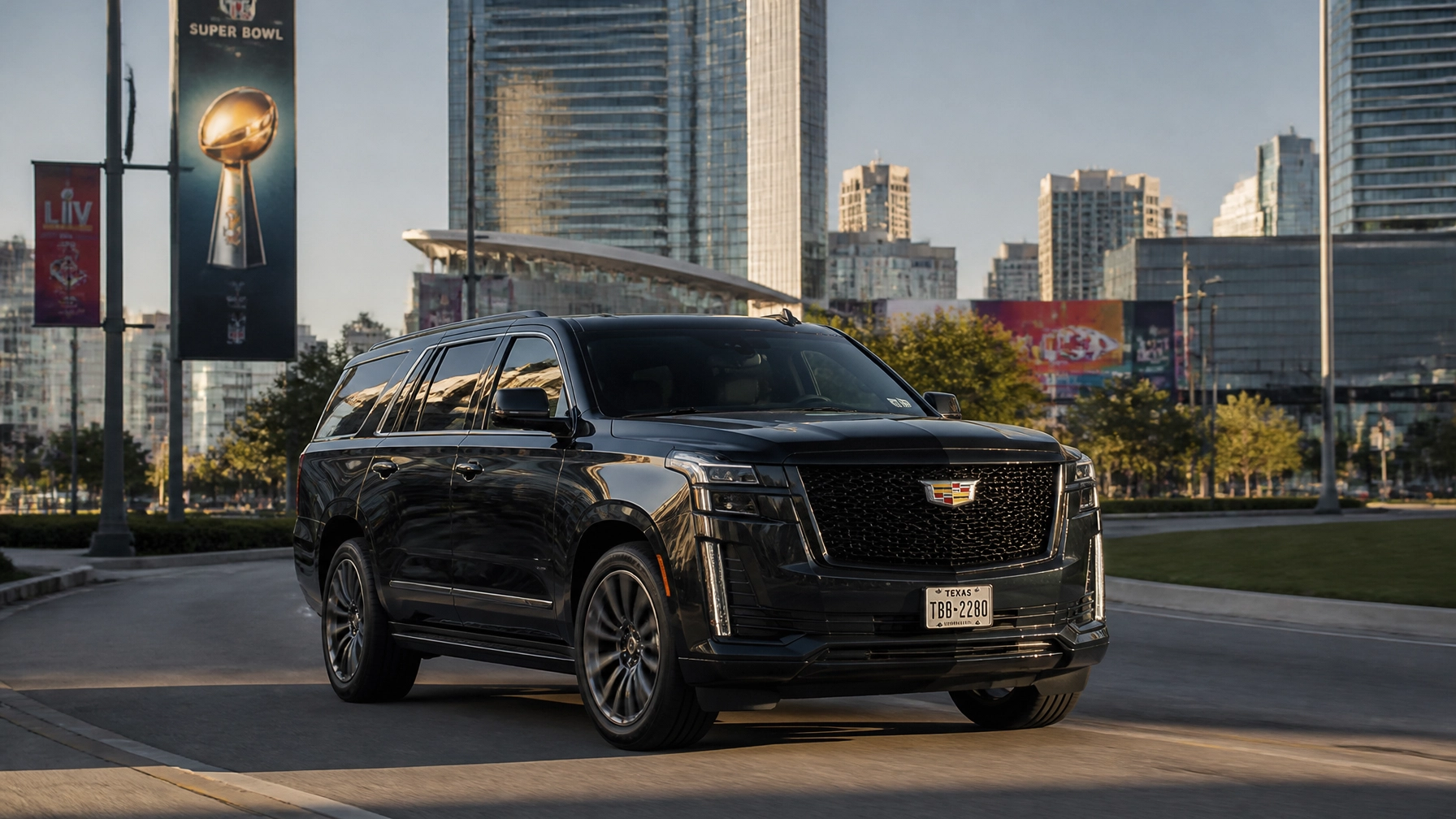
The initial impression your corporate presence makes at the Super Bowl is determined long before the coin toss, and that's why your logistical strategy must be flawless. When you are managing travel for high-level executives and key stakeholders, the Super Bowl isn't just a game: it’s a high-stakes operational environment where the margin for error is zero.
If you’ve ever found your CEO stuck in a three-hour traffic jam only two miles from the stadium, or had a private jet slot denied because of "lack of capacity," you know that traditional travel rules do not apply here. At USA Entertainment Travel, we specialize in transforming potential travel nightmares into seamless, VIP experiences.
Stop making these common logistical errors and start executing a Super Bowl strategy that reflects your company’s standard of excellence.
1. Falling for the "Wait and See" Inventory Trap
The biggest mistake you can make is treating the Super Bowl like a standard business trip where you wait for schedules to "firm up." In the host city, premium inventory: including five-star hotel blocks, private aviation slots, and armored transportation: is often locked up eight to twelve months in advance.
Waiting until the playoff picture is clear means you are competing for the leftovers of the leftovers. By then, prices have tripled, and quality has plummeted.
How to fix it: Lock in your core assets early. You must secure your hotel blocks and primary transport vehicles by August or September of the preceding year. Work with a specialized corporate travel management partner who holds direct relationships with premium vendors. This allows you to bypass the public-rate spikes and ensures your executives aren't staying 50 miles away from the action.
2. Relying on the Rideshare Mirage

Relying on Uber or Lyft in a Super Bowl host city is a recipe for disaster, and that’s where many organizations fail their executives. On game day, "surge pricing" is the least of your worries; the real issues are road closures, massive security perimeters, and a complete lack of driver accountability.
A standard rideshare driver does not have the credentials to enter VIP drop-off zones, nor do they understand the complex "game day only" traffic patterns mandated by local law enforcement.
How to fix it: Hire dedicated, professional chauffeurs with vetted credentials. Your drivers should be equipped with "all-access" permits and be familiar with the specific security checkpoints for the stadium. Beyond just driving, these professionals serve as an extension of your security team. Our latest transportation systems ensure that your executives are moved in "moving meeting rooms" where they can continue working in privacy while bypassing the chaos.
3. Underestimating the Stadium Security Net
The Super Bowl is a National Special Security Event (NSSE). This means the security protocols are closer to a presidential inauguration than a regular football game. If you haven't mapped out every security touchpoint from the hotel door to the stadium seat, you are inviting delays.
Many planners forget that even the most high-profile executives must clear multiple layers of screening. A 20-minute drive can easily become a 90-minute ordeal if you haven't accounted for vehicle sweeps and credential checks.
How to fix it: Integrate executive protection with your luxury transportation. Don't use two separate, uncoordinated providers. You need a team that has already performed advance scouting of the host city’s security zones. Map out the "last mile" meticulously and add at least 25 minutes per checkpoint into your timeline. When you master Super Bowl executive logistics, security becomes a background process rather than a foreground obstacle.
4. Budgeting Only for "Face Value"

A common mistake that leads to budget overruns and executive frustration is only accounting for the cost of the suite or the ticket. The "face value" is just the entry fee. The true cost of hosting at the Super Bowl includes catering service fees, taxes, dedicated security, premium transfers, and the high cost of last-minute flexibility.
If your budget doesn't have a 15–20% contingency buffer, you'll find yourself cutting corners on the very things that provide the VIP experience your guests expect.
How to fix it: Build a transparent, all-in budget from day one. Include everything from the FBO landing fees to the "wait time" for drivers during the game. High-stakes hosting requires a high-stakes budget. For more on how to manage these costs effectively, check out our guide on how to stop wasting money on last-minute bookings.
5. Designing Rigid, "Just-in-Time" Schedules
In a world where everything is moving at 100 mph, it’s tempting to pack an executive's schedule with back-to-back meetings. However, at the Super Bowl, "on time" is a relative term. A single road closure or a delayed motorcade can ripple through your entire day, causing your CEO to miss a million-dollar networking opportunity.
How to fix it: Adopt the "40% Buffer Rule." Add 40% more time than you think you need for every single transition. If Google Maps says the drive is 30 minutes, schedule 50. Use the extra time for pre-game debriefs or quiet decompression in a luxury lounge. Break down your content and your schedule so that it breathes. This ensures your leaders arrive at their meetings calm and prepared, not frazzled and late.
6. Embracing Single Points of Failure

Relying on one transport vendor, one route, or one key coordinator is a gamble you cannot afford to take. If your primary vehicle breaks down or a specific route is closed by the Secret Service, what is your Plan B? Most companies don't have one, and that's where the logistics nightmare begins.
How to fix it: Design multi-path transportation architectures. You should have a primary route and at least two secondary backups. We recommend maintaining relationships with multiple local concierge teams and having "standby" vehicles positioned strategically near major venues. Redundancy isn't an expense; it’s an insurance policy for your company’s reputation.
7. Relying on Fragmented Communication
Using a mix of WhatsApp, email, and standard phone calls to coordinate a 50-person executive delegation is a recipe for confusion. When information is fragmented, mistakes happen. A driver goes to the wrong terminal, an executive loses their digital ticket, and nobody knows who is in charge of the fix.
How to fix it: Establish a centralized Command Center. Use a unified communication platform where drivers, security, and coordinators are all on the same real-time channel. Dive deep into the data with advanced analytics dashboards that give you a bird’s-eye view of every moving part.

Elevate Your Super Bowl Game Plan
The Super Bowl offers an unparalleled opportunity to build 7-figure relationships, but only if your logistics are invisible. When everything runs smoothly, your executives can focus on what they do best: leading and networking.
Don't let avoidable logistical errors tarnish your brand's presence. Implementing these seven fixes will transform your trip from a stressful scramble into a masterclass in corporate hospitality.
Ready to eliminate the chaos from your Super Bowl travel?
Watch our latest briefing on high-stakes event management here: https://www.youtube.com/watch?v=l6J-0zileKE
Contact USA Entertainment Travel today to secure your VIP logistics:
Phone: +1 970-709-0037
Email: info@usaev.com