

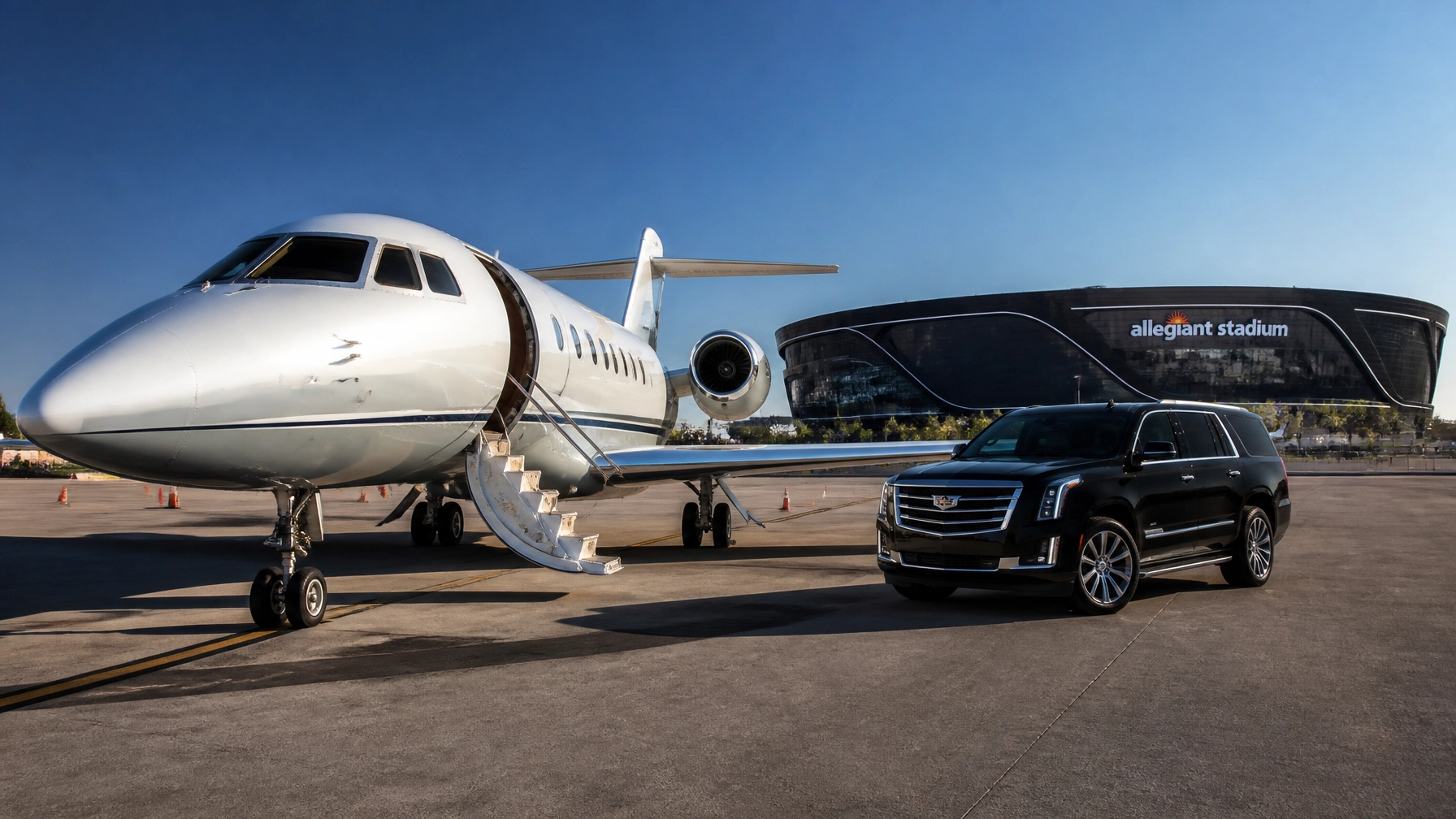
The high-stakes world of the Super Bowl demands more than just a ticket; it requires a tactical masterpiece of logistics that most corporate leaders underestimate until it’s too late. When you are moving executive teams and high-value clients into a city under total lockdown, the margin for error disappears. The initial impression your brand makes during this week is either a testament to your operational excellence or a loud signal of disorganization: and that’s where most companies falter.
Managing travel for the biggest sporting event in America is fundamentally different from a standard business trip. It is a peak-compression environment where inventory vanishes and traditional systems break down under the weight of hundreds of thousands of visitors. If you are treating your Super Bowl logistics like a regular corporate outing, you are likely already making critical errors that could cost your company tens of thousands of dollars and, more importantly, its reputation.
Dive deep into these seven common logistical pitfalls and learn the precise strategies to fix them before they derail your executive presence.
1. Falling for the "Wait and See" Pricing Fallacy
The most dangerous assumption you can make is that prices for tickets, suites, or premium hotels will drop as the game approaches. In a normal market, last-minute deals are a reality, but the Super Bowl is an inverse market. Demand remains high while supply hits absolute zero, and that’s why waiting for a better deal is a recipe for displacement.
You must understand that host cities are under strict mandates to pre-block massive swaths of hotel inventory for the league, sponsors, and media. By the time you decide to book, the "market price" is often just whatever is left at the furthest periphery of the city.
How to fix it: Abandon the hunt for a bargain and shift to a "procure early or pay dearly" mindset. Establish internal decision deadlines at least six months out. If you are already in the "last-minute" window, secure the best available inventory immediately through a dedicated corporate travel management system that has pre-negotiated blocks.
2. Permitting Fragmented Bookings and Ghost Manifests
Allowing individual executives or their assistants to book their own flights and hotels is a logistical nightmare waiting to happen. When your team is scattered across five different hotels and ten different flight paths, you lose the ability to react to the inevitable disruptions of event week. Without a single, centralized manifest, your on-site team is flying blind.
A lack of coordination means you cannot execute group-level contingency plans. If a flight is canceled, you won't know who is affected until they don't show up to the client dinner.
How to fix it: Centralize all arrangements into a single "Source of Truth." Use a master manifest that tracks every traveler’s flight, ground transport, and hotel in real-time. This allows you to transform your trip into a strategic branding opportunity by ensuring your team arrives as a cohesive, professional unit.

3. Relying on Consumer Rideshare Apps for Ground Transport
The biggest mistake you’ll make on game day is thinking you can just "call an Uber." During Super Bowl week, road closures, security perimeters, and massive geofencing make standard rideshare apps notoriously unreliable. Your executives will find themselves waiting 45 minutes for a car that can't even reach their location due to police cordons.
The "surge" isn't just about price; it’s about the total collapse of availability. If your VIPs are standing on a street corner in a security zone, you have already failed the logistics test.
How to fix it: Secure vetted car services and chauffeurs who have specific local event experience and, crucially, the necessary parking permits and stadium access passes. Pre-book your transport in "blocks" rather than individual rides, ensuring a driver is dedicated to your group for the duration of the event. This is a hallmark of VIP executive hosting that separates the professionals from the amateurs.
4. Underestimating the Complexity of Digital Credentialing
Gone are the days of handing out physical tickets at the hotel lobby. The Super Bowl is now almost entirely digital, and if you haven't mastered the art of mobile ticket transfers, your guests will be stuck at the stadium gate. Mistiming the distribution of these credentials creates awkward hierarchies and unnecessary stress.
If your CEO is standing at the turnstile trying to figure out which email their ticket was sent to, the "premium" experience is officially over.
How to fix it: Establish a rigid protocol for digital transfers. Create a step-by-step guide for your executives to download the necessary apps weeks in advance. Assign a single point of contact to manage the "wallet" of tickets and ensure every transfer is confirmed 48 hours before kickoff.

5. Prioritizing Nightly Room Rates Over Geographic Intelligence
Saving $200 a night by booking a hotel 20 miles away might seem like a win for the budget, but it’s a loss for your schedule. In a Super Bowl host city, 20 miles can easily translate to a two-hour commute each way during peak periods. You are paying for your executives to sit in traffic instead of networking with clients.
Your hotel isn't just a place to sleep; it’s your operational base. If it’s too far from the stadium or the main hospitality hubs, you are effectively cutting your networking time in half.
How to fix it: Focus on the "Traffic Profile" of a property rather than just the star rating or price. Choose hotels within the "Inner Ring" of the event zone. It’s better to pay a premium for a centrally located 4-star hotel than to get a "deal" on a 5-star hotel that requires a cross-county trek. For more on this, see our Ultimate Guide to Super Bowl Corporate Hospitality.
6. Operating Without Tactical Buffers or "Plan B" Scenarios
Everything takes longer during the Super Bowl. Security screenings, elevator wait times, and even getting a table at a restaurant are all subject to massive delays. If your schedule has back-to-back commitments with only 15-minute buffers, your entire day will collapse the moment the first delay occurs.
Failing to plan for the "what ifs": weather delays, road closures, or last-minute itinerary changes: leaves you reactive and stressed.
How to fix it: Build conservative "tactical buffers" into every movement. If a transfer usually takes 20 minutes, allot 60. More importantly, create a pre-defined "Plan B" for every major event. If the primary airport is fogged in, which secondary airport is your backup? If a road is closed, which alternate route has your driver vetted? Confidence comes from knowing you have an answer for every disruption.

7. Operating Without a Centralized Command Channel
When you have multiple groups moving across a city, relying on fragmented email threads is a recipe for disaster. If there is a change in the pickup location, how long does it take for every executive to get the message? If the answer is "more than 60 seconds," your communication system is broken.
Without a single on-site lead who is empowered to make decisions, issues get escalated up to the executives themselves, which is exactly what you want to avoid.
How to fix it: Designate an on-site logistics lead and establish a "Command Channel": a dedicated WhatsApp group, SMS chain, or app-based notification system: where updates are pushed instantly. This ensures everyone is on the same page and that problems are solved before the travelers even realize they exist. This level of precision is why many companies look for a comprehensive travel management solution during these high-stakes weeks.
The Outcome: Seamless Execution
By addressing these mistakes, you transform a potentially chaotic week into a masterclass in brand hospitality. Your executives arrive refreshed, your clients feel valued, and your organization stands out as a leader in efficiency and care. The Super Bowl is a once-a-year opportunity to solidify high-level relationships: don't let a logistics error be the reason you miss it.
Hook your readers with a flawless experience, break down the barriers to their comfort, and ensure your logistics are as elite as the game itself.

Watch our strategic overview on executive event management here:
https://www.youtube.com/watch?v=l6J-0zileKE
USA Entertainment Travel
Phone: +1 970-709-0037
Email: info@usaev.com