

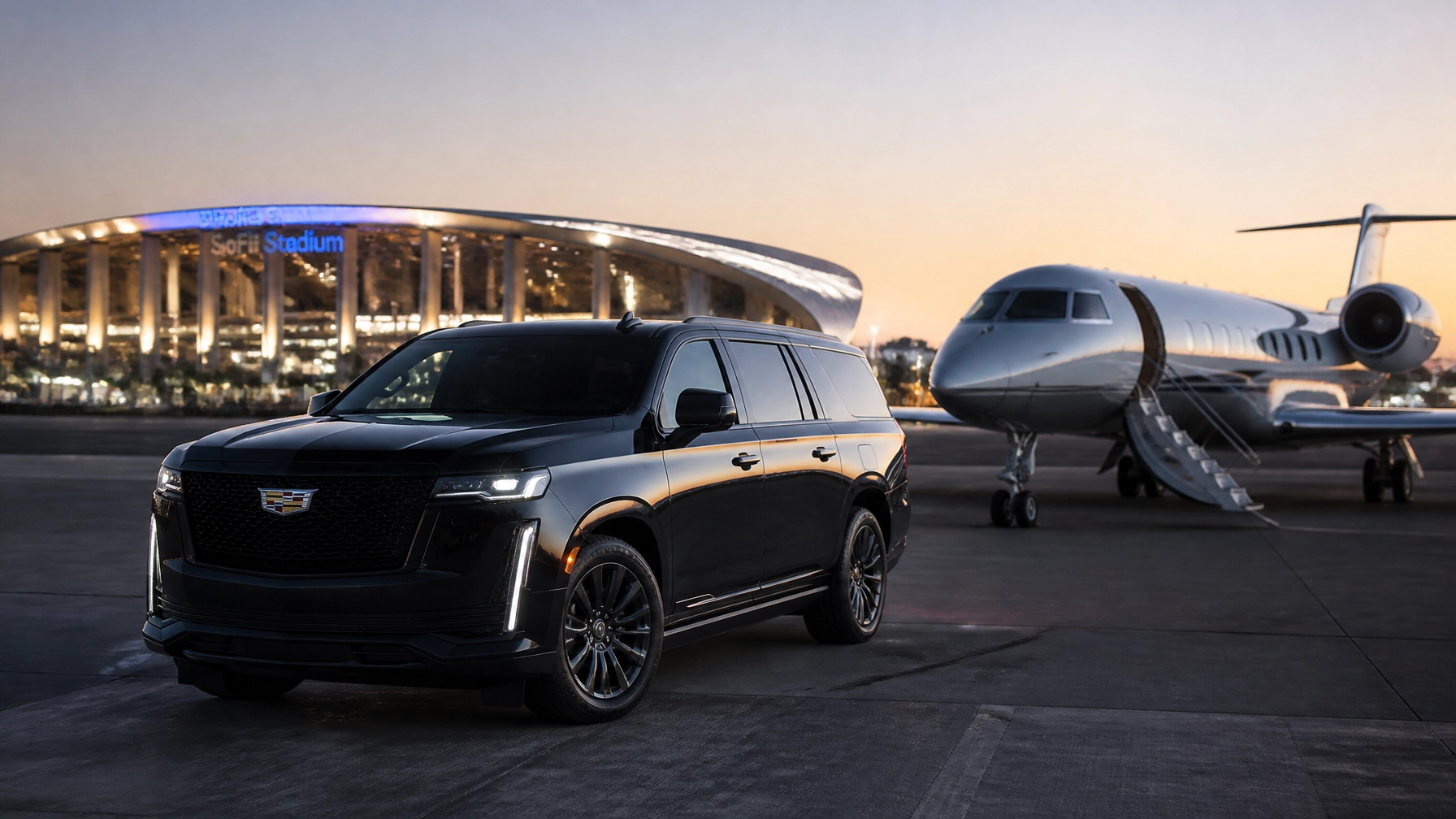
The Super Bowl is not just a game; it is the ultimate high-stakes corporate stage where your brand’s reputation is either solidified or compromised by the quality of your logistics. When you are moving executive leadership and key stakeholders into a city that is operating at 300% capacity, the standard rules of travel no longer apply. The initial impression your travel management makes is crucial, and that’s why "winging it" with last-minute arrangements is a recipe for operational disaster.
You have worked hard to secure your place at the table, but if your CEO is stuck in a gridlock three miles from the stadium or your VIP guests are stranded at a terminal without a vetted driver, the "big win" for your brand evaporates. At USA Entertainment Travel, we see the same patterns of failure every year. Understanding these pitfalls is the first step toward mastering the blitz.
Dive deep into these seven common mistakes and learn how to transform your logistical chaos into a streamlined, VIP experience that delivers the ROI your board expects.
1. Treating Ground Transportation as a One-Off Commodity
The most dangerous assumption you can make is that a standard rideshare app or a local car service can handle the complexities of Super Bowl weekend. When you rely on fragmented, trip-by-trip bookings, you are gambling with your executive's time. Super Bowl cities implement massive road closures and security perimeters that change by the hour. A driver who isn't part of a coordinated program won't have the necessary credentials or the insider knowledge to navigate these "frozen zones."
That’s where a centralized ground program becomes your greatest asset. Instead of isolated rides, you need a master schedule managed by a single vetted provider. This ensures your drivers are briefed on stadium-specific traffic patterns and have pre-arranged staging areas.
The Fix: Transition from "booking rides" to "managing a fleet." Ensure every vehicle in your rotation is part of a secure, coordinated network that stays in constant communication with your dispatch center.

2. Underestimating the "Super Bowl Time" Variable
A ten-minute drive in any other city becomes a ninety-minute ordeal during Super Bowl week. You cannot use standard GPS estimates to plan your itinerary. If your schedule is packed with back-to-back meetings, you are setting your leadership up for failure. When one delay occurs: and they always do: it cascades through the rest of your day, resulting in missed networking opportunities and frustrated executives.
The heartbeat of your message lies in your ability to remain punctual and professional. That is why you must build "event-mode" buffers into every movement.
The Fix: Apply a 3x multiplier to all transit times. If your executive needs to be at a gala by 7:00 PM, they should be in the vehicle by 5:30 PM. Use this "extra" time for secure, in-transit briefing sessions or high-stakes networking calls, turning potential downtime into a productive window.
3. Ignoring the Complexity of Airport Security and FBO Slots
Whether your team is arriving via commercial first-class or a private Gulfstream, the airport is your first major hurdle. Many companies make the mistake of failing to coordinate with Fixed Base Operators (FBOs) until the final week. During the Super Bowl, airport slots are gold. If you don't have a confirmed arrival and departure slot, your aircraft could be diverted to an airport two hours away from the action.
Your leadership's comfort starts the moment they touch down. If they are waiting forty minutes on the tarmac for a gate or a staircase, your logistics have already failed.
The Fix: Lock in your FBO slots and terminal transfers immediately. Ensure your ground transport is staged at the FBO thirty minutes prior to wheels-down. For more on managing these high-pressure moments, watch our latest briefing: Mastering High-Stakes Travel.
4. Failing to Integrate Secure Perimeter Logistics
The Super Bowl is a National Special Security Event (NSSE). This means the Secret Service and local law enforcement create rings of security that are impenetrable to standard vehicles. You might think you have a "great" hotel location, but if it falls within a pedestrian-only zone or a restricted-access lane, your executive will be walking blocks in the heat or rain.
Ignoring these perimeters is one of the most common mistakes in last-minute Super Bowl logistics. You must know exactly where the "hard" and "soft" cordons are located.
The Fix: Work with a travel partner who has direct experience with NSSE protocols. Integrate your secure executive transport with local security maps to ensure your drop-off points are as close to the venue entrances as legally possible.

5. Neglecting the Value of a Dedicated "Networking HQ"
Executives often travel to the Super Bowl for one reason: to close deals. If you haven't secured a central "hub": whether it’s a dedicated suite in a top-tier hotel or a private lounge: you are forcing your team to network in loud, overcrowded public spaces. A common mistake is assuming that "the stadium suite is enough." The real networking happens in the three days leading up to the game.
Without a controlled environment, your high-stakes conversations are subject to eavesdropping and constant interruption.
The Fix: Secure a hospitality base that offers privacy, premium amenities, and reliable connectivity. This space should serve as your brand’s embassy in the host city. Use your VIP concierge to handle the catering and tech support so your team can focus entirely on the handshakes that matter.
6. Overlooking Data-Driven Reporting and ROI
In the rush of the event, it’s easy to lose track of spending and logistics patterns. Many companies treat Super Bowl travel as a "black hole" of expenses, only realizing the true cost weeks later. If you aren't using a comprehensive reporting system, you cannot justify the spend to your CFO or improve your strategy for next year.
Effective management requires visibility. You need to know which routes worked, which vendors performed, and exactly where every dollar was allocated in real-time.
The Fix: Utilize advanced analytics dashboards. Track your travel spend and patterns as they happen. This transparency not only helps with immediate decision-making but also provides the data necessary to demonstrate the event’s success to your board.

7. Waiting Too Long to Engage a VIP Concierge
The final, and perhaps most costly, mistake is trying to manage everything in-house with a team that isn't specialized in high-stakes event travel. Your internal admins are excellent at their jobs, but they don't have the "boots on the ground" relationships required to make things happen in a city under siege by 100,000 extra visitors. When you need a last-minute table at a booked-out steakhouse or an emergency flight change, you need a concierge with local leverage.
Trying to "self-manage" results in burnout for your staff and a substandard experience for your executives.
The Fix: Partner with a VIP concierge service that specializes in the Super Bowl. They act as your force multiplier, handling the friction of logistics so your leadership can stay focused on the game: and the business.
Secure Your Super Bowl Success with USA Entertainment Travel
The Super Bowl blitz is no place for amateurs. You need a partner who understands that every minute of an executive's time is a valuable asset. At USA Entertainment Travel, we specialize in transforming the chaotic logistics of the world’s biggest sporting event into a seamless, high-performance operation.
From mastering high-stakes travel management to providing the most secure and efficient booking processes in the industry, we are here to ensure your brand stands out for all the right reasons. Don't let logistical oversights overshadow your corporate goals.
Hook your readers, break down your content, and dive deep into the solutions that will make your next Super Bowl experience a legendary success.
For a deeper dive into our strategies, watch our latest video here:
https://www.youtube.com/watch?v=l6J-0zileKE
Contact us today to lock in your strategy:
Phone: +1 970-709-0037
Email: info@usaev.com