
The Super Bowl is not merely a football game; it is the ultimate logistical gauntlet for corporate leaders. As the lights of the stadium brighten and the eyes of the world turn toward the host city, the pressure to deliver a seamless experience for your executives and high-value clients reaches a fever pitch. In this high-stakes environment, even a minor oversight in travel management can cascade into a series of public and professional frustrations.
The initial impression your corporate hospitality makes is crucial, and that’s why mastering the intricacies of last-minute logistics is the difference between a triumphant networking weekend and a logistical nightmare. You have spent months planning your branding blitz, but the final mile: the ground transport, the airport slots, and the on-site transitions: is where the real victory is won.
Dive deep into these seven common logistical pitfalls to ensure your team remains focused on closing deals, not catching up on missed connections.
1. Relying on On-Demand Rideshare Apps
The biggest mistake you can make in a Super Bowl host city is assuming that a standard rideshare app will serve your C-suite needs. While these services work perfectly for a typical business trip, they crumble under the weight of 100,000 extra visitors. Surge pricing is the least of your worries; the real threat is the geofencing and restricted pickup zones that can leave your CEO stranded blocks away from their destination in a sea of foot traffic.
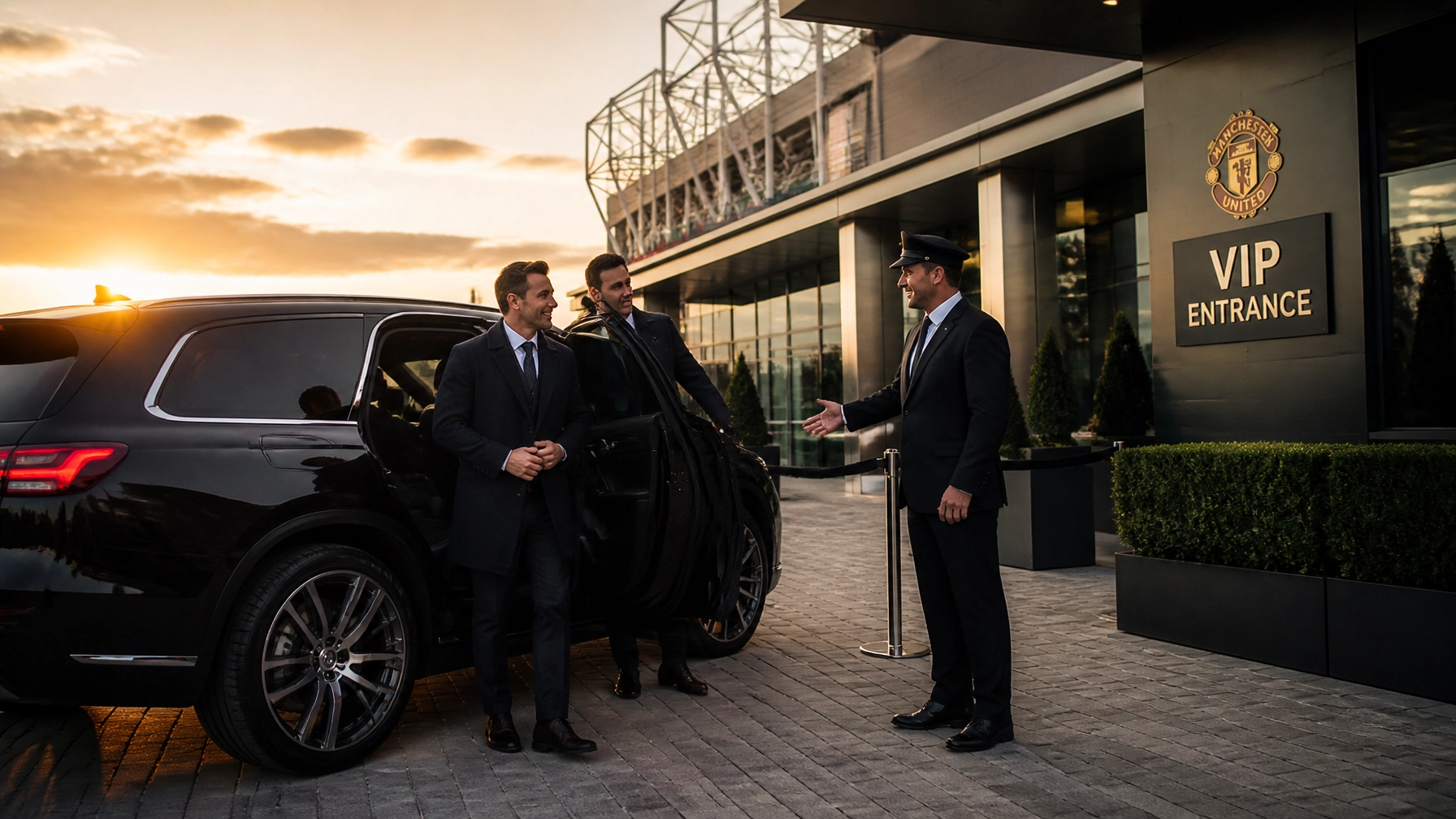
And that’s where professional, pre-arranged ground transportation becomes your secret weapon. Hook your readers by ensuring your VIPs never have to "search" for their ride. Pre-booked black car services with drivers who possess "all-access" credentials are the only way to navigate the temporary one-way streets and security cordons that pop up overnight.
How to Fix It: Secure a dedicated fleet with USA Entertainment Travel. Demand drivers who are intimately familiar with the specific host city’s traffic management plan. You need a partner who understands that a ten-minute drive can become a two-hour crawl without the right route knowledge.
2. Missing the Private Aviation Slot Window

The sky above the Super Bowl is as crowded as the stadium itself. If you are managing private aviation for your executives, the most dangerous assumption you can make is that you can "file and fly" at your convenience. During Super Bowl week, airports and Fixed Base Operators (FBOs) operate on a strict reservation and slot system. Waiting until the week of the game to finalize your arrival or departure times will likely result in your aircraft being diverted to an airport two hours away from the city center.
That’s why you must treat your flight slot as a non-negotiable asset. A missed slot on the Monday morning after the game isn't just a delay; it can mean your executive is stuck on the tarmac for hours while hundreds of other jets are cleared for takeoff.
How to Fix It: Lock in your FBO slots and tail numbers weeks in advance. If you are currently in a last-minute scramble, work with a travel management firm that has established relationships with regional FBOs to find "orphaned" slots or alternative executive airports that bypass the main congestion.
3. Ignoring the "Last-Mile" Security Perimeter
The security perimeter around the Super Bowl stadium is a complex web of concrete barriers, magnetometers, and restricted access points. A common mistake is planning ground logistics to the "address" of the stadium without accounting for the fact that vehicles without specific "Tier 1" credentials cannot get within half a mile of the entrance.
Lies the heart of your message: your executives should not be forced into a long, unplanned walk through crowded fan zones just to reach their suite. This creates safety risks, ruins the "VIP experience," and leaves your guests frustrated before the first whistle even blows.
How to Fix It: Study the official Super Bowl Transportation Map and identify the exact drop-off points allowed for your vehicle’s credential level. If your passes don't include "on-site parking," you must coordinate a "shuttle-to-suite" handoff where a private cart or secondary vehicle meets your guests at the perimeter.
4. Disjointed On-Site Communication

In the chaos of a mega-event, information is your most valuable currency. The "Mistake of Fragmented Channels" occurs when the travel manager is in one location, the drivers are in another, and the executives are relying on a generic itinerary PDF that was printed three days ago. Schedules shift: dinners run long, meetings are moved, and weather intervenes.
That's why a single "air traffic controller" for your group is essential. Without a centralized point of contact, you risk the "Communication Void," where drivers are waiting at the wrong gate and executives are calling an office line that nobody is answering on a Sunday afternoon.
How to Fix It: Implement a real-time communication tool, such as a dedicated WhatsApp group or a specialized travel management app, where updates are broadcast instantly. Ensure your on-site "fixer" has the authority to make real-time decisions without waiting for a corporate hierarchy.
5. Underestimating "Super Monday" Burnout
The Monday following the Super Bowl is notoriously difficult for travel. It is often referred to as "Super Sick Monday" due to the high volume of travel delays and general exhaustion. Many companies make the mistake of scheduling critical, high-stakes board meetings or internal reviews for the Monday morning immediately following the game.
This oversight ignores the reality of post-game logistics. Airport security lines on Monday are legendary, and the physical toll of a weekend of high-level networking is real. Forcing a tired executive into a 6:00 AM flight and a 10:00 AM meeting is a recipe for poor performance and burnout.
How to Fix It: Schedule a "buffer day" or at least a "soft morning." Allow your team to depart on Monday afternoon or Tuesday morning. This ensures they return to the office recharged rather than resentful. If travel is mandatory on Monday, upgrade the experience to include lounge access and expedited security to minimize the friction.
6. The Mobile Ticketing Connectivity Crisis

We live in a digital-first world, and Super Bowl tickets are almost exclusively mobile. However, when 70,000 people try to access the same cellular towers simultaneously, data speeds can drop to a crawl. The mistake here is assuming that your executive will be able to "just pull up the app" at the gate.
If the ticket won't load, the executive stays outside. It is a simple, avoidable failure that lingers in your readers' minds as a symbol of poor planning.
How to Fix It: Instruct every guest to download their tickets to their Apple Wallet or Google Pay before they leave the hotel. Take screenshots of QR codes as a secondary backup (though many modern tickets use rotating codes, so the digital wallet is the primary solution). Provide a portable Wi-Fi hotspot for your lead executive to ensure they have a dedicated data lane.
7. No Weather or Disruption "Plan B"

The Super Bowl takes place in February: a month synonymous with unpredictable winter weather. Whether the game is in a cold-weather city or a sun-belt hub, a storm in Chicago or Atlanta can ripple through the entire national aviation network. Operating without a contingency plan is a gamble where the stakes are your company’s reputation.
Maintain confident, definitive language: you cannot control the weather, but you can control your response to it. "Wait and see" is not a strategy; it is a surrender.
How to Fix It: Identify alternative airports and regional ground transport options (like high-end sprinter vans) that can get your team home if flights are grounded. Maintain a "shadow" reservation at a local luxury hotel for Sunday night in case an immediate departure becomes impossible.
Why Logistics Matter for Your Bottom Line
Mastering these logistics isn't just about comfort; it's about protecting your investment. You have spent thousands on tickets, suites, and branding. Don't let a $50 rideshare error or a missed aviation slot undermine your entire Super Bowl strategy.
Watch our latest insights on executive travel management here: https://www.youtube.com/watch?v=l6J-0zileKE
At USA Entertainment Travel, we specialize in the "impossible" logistics of the Super Bowl. We provide the analytics, the on-site support, and the secure booking processes that transform a chaotic event into a streamlined success. We don't just book trips; we engineer experiences that allow you to focus on what matters: your business.
Ready to fix your Super Bowl logistics before the clock runs out?
Contact us today to secure your executive travel strategy.
Phone: +1 970-709-0037
Email: info@usaev.com
Website: travel.usaev.com