
NEWSLETTER: Looking For Flawless Super Bowl Arrival? Here Are 10 Things You Should Know About Executive Logistics
The initial impression your brand makes at the Super Bowl doesn’t start in the stadium; it begins the moment your executive team touches down. In the world of high-stakes corporate travel, the transition from the tarmac to the luxury suite is where reputations are forged and multi-million dollar deals are set in motion. If your arrival is chaotic, your entire networking strategy is already playing from behind.
At USA Entertainment Travel, we understand that for a CEO or a high-net-worth stakeholder, "logistics" is just another word for "opportunity." Every minute spent idling in gridlock or navigating a poorly coordinated terminal is a minute lost for strategic visibility. To ensure your team hits the ground running, you must master the intricacies of elite arrival strategies.
Here are 10 things you need to know to ensure a flawless Super Bowl arrival for your executive team.
1. The Three-Hour Arrival Window is Mandatory
The most common mistake executives make is underestimating the "Super Bowl Surge." Standard airport-to-hotel transit times disappear the moment the Super Bowl blitz begins. You must plan for your arrival at the venue or your primary event space at least 2.5 to 3 hours before the scheduled start time. This buffer isn't just about avoiding traffic; it’s about providing your leadership team with the mental bandwidth to transition from travel mode to "performance mode." Arriving early allows for security clearance without the stress of a ticking clock, ensuring you enter the room with the composure required of a top-tier executive.
2. Private Aviation requires Slot Management
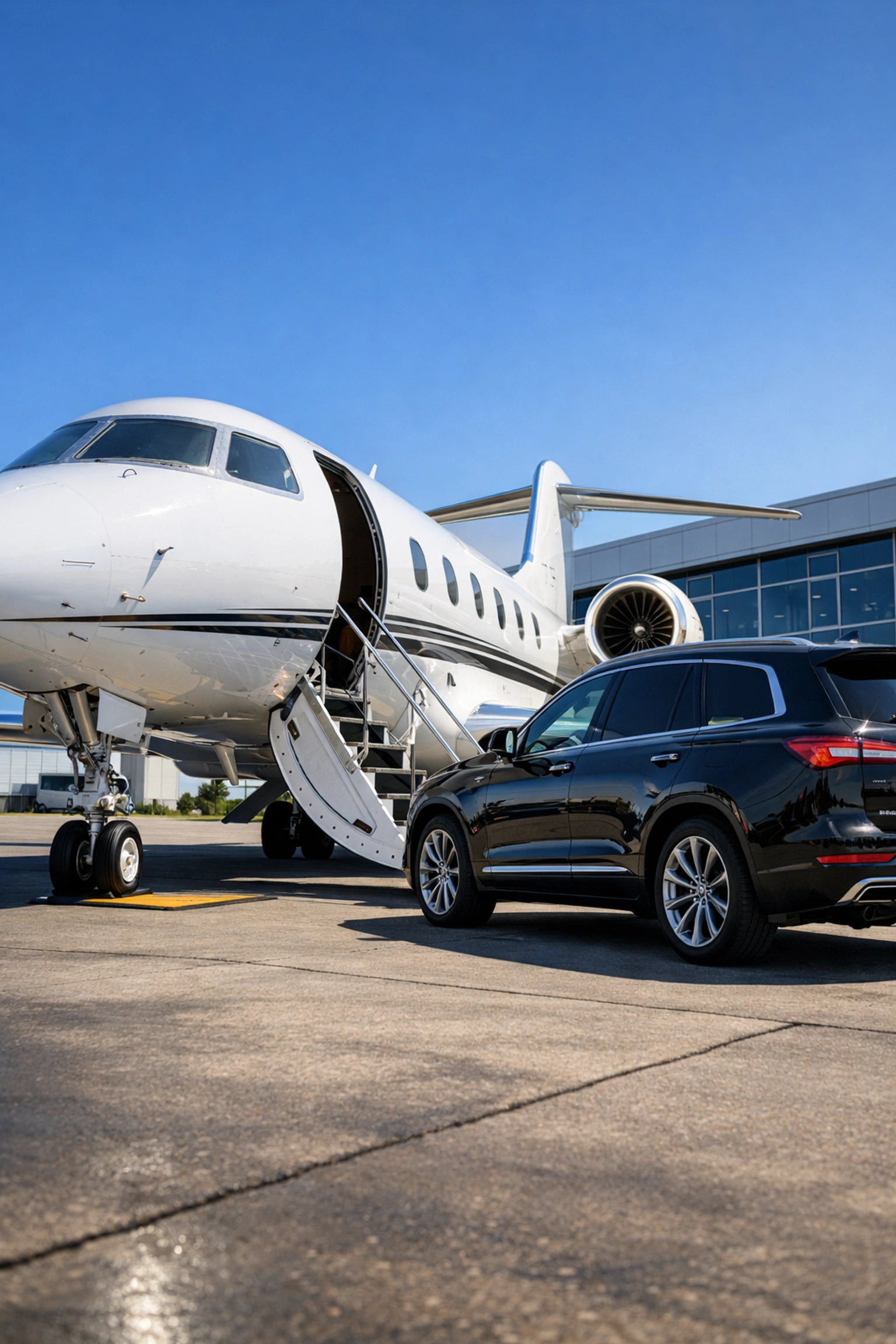
If you are flying private, do not assume your preferred arrival time is guaranteed. The Federal Aviation Administration (FAA) implements strict Special Air Traffic Procedures for the Super Bowl. You need to secure your arrival and departure slots weeks, if not months, in advance. Without a managed slot, your aircraft could be diverted to a secondary airfield miles away from the action. Understanding the ultimate guide to luxury logistics is essential here, as it outlines how to coordinate with FBOs (Fixed Base Operators) to ensure your ground transport is idling on the tarmac the moment the cabin door opens.
3. Relying on Rideshare is a Strategic Risk
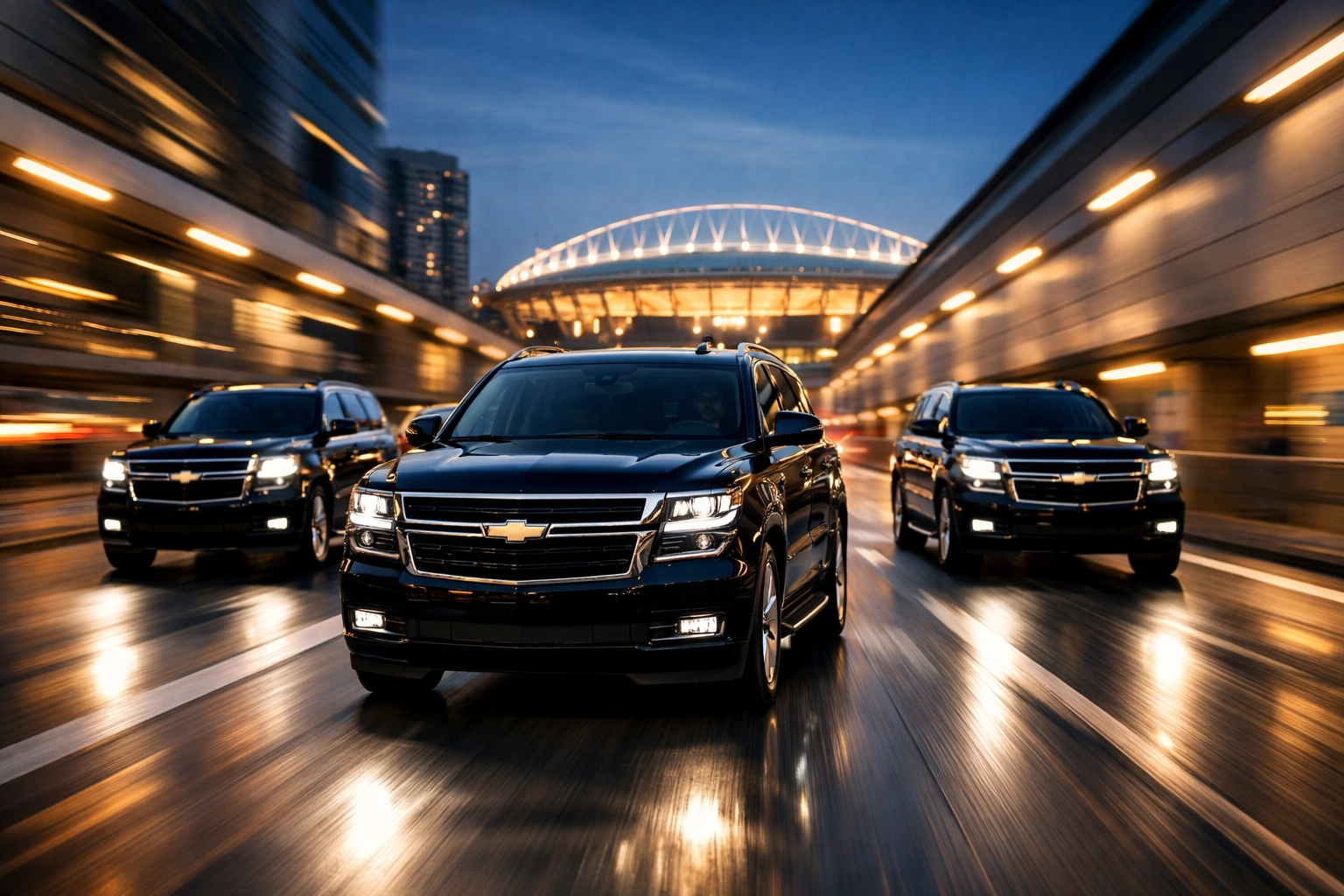
During the Super Bowl weekend, rideshare apps become a liability. Surge pricing is the least of your concerns; the real issue is the lack of reliability and specialized access. A standard Uber or Lyft driver does not have the credentials to enter secure executive drop-off zones or navigate the "backdoor" routes used by professional fleets. To maintain control over your schedule, you must utilize a dedicated, professionally managed fleet. These drivers are briefed on the specific traffic patterns and road closures that the city implements specifically for the game, ensuring you aren't left walking two miles in a tailored suit.
4. Leverage the "Last Mile" Strategy
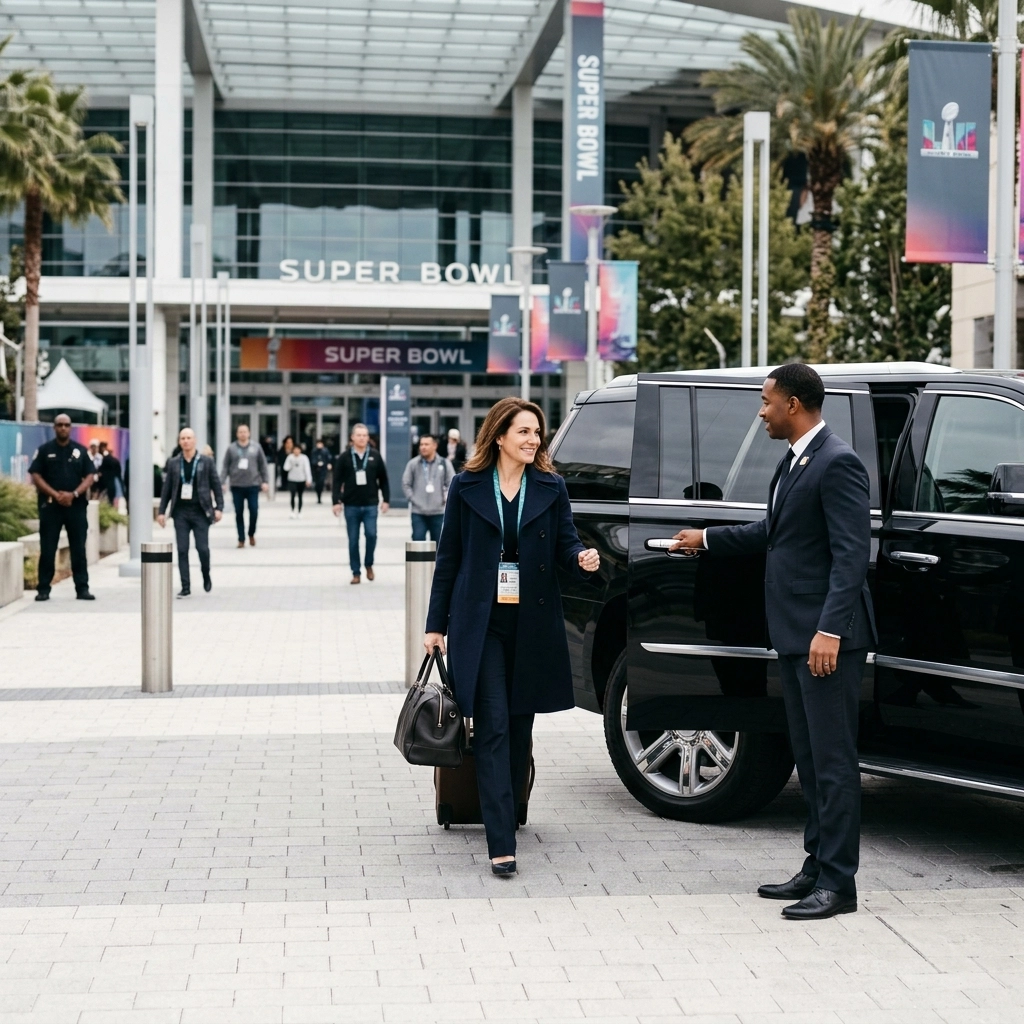
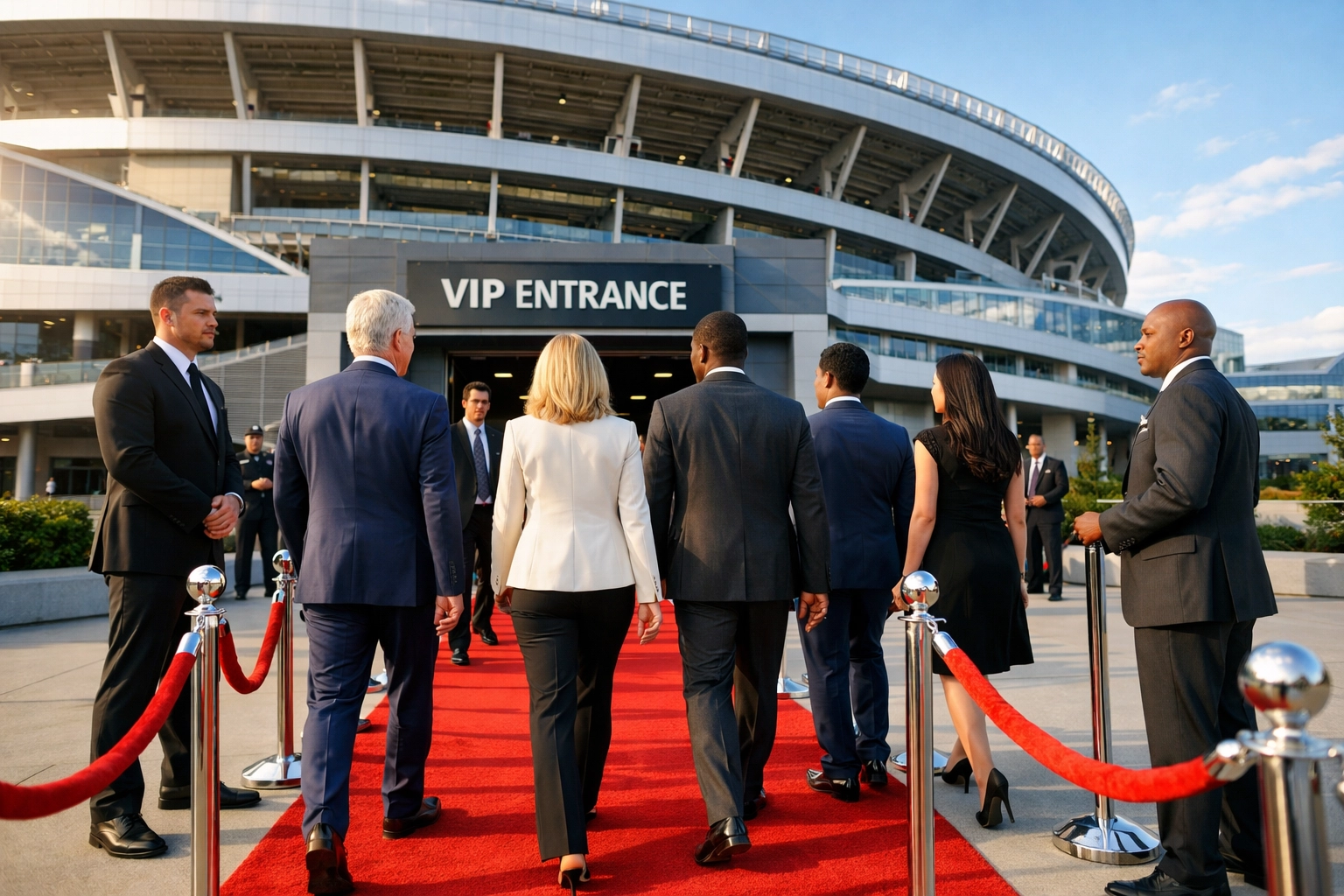
The "last mile" of your journey: the final stretch between the secure perimeter and the venue entrance: is often the most complex. Many executives forget that the Super Bowl turns major city blocks into pedestrian-only zones. You must know exactly where your vehicle’s access ends and where your VIP escort begins. That’s why we emphasize the importance of avoiding common executive logistics mistakes. Knowing the specific gate entry points and having a "greeter" ready to bridge that last mile can save thirty minutes of confusion and physical exertion.
5. Integration of Branding and Logistics
Your arrival is a moving billboard. For the C-suite, the vehicle isn’t just transportation; it’s part of your corporate branding presence. When your executive team arrives in a coordinated, high-end fleet, it signals stability and power. Integrating your logistics with your visibility strategy is a proven way to drive ROI. Dive deep into how executive visibility drives ROI to understand how the simple act of a flawless arrival can influence the perception of your brand among potential partners and competitors.
6. Real-Time Communication Protocols
Standard email or text chains are insufficient for the fluid environment of the Super Bowl. Your logistics team must use dedicated communication channels: often encrypted, high-speed apps or radio systems: to monitor traffic updates, security shifts, and flight delays in real-time. If a main artery to the stadium is closed due to a VIP motorcade, your driver needs to know five minutes before they reach the bottleneck, not five minutes after they are stuck in it.
7. Credentialing and Security Synchronization
Nothing halts a flawless arrival faster than a missing badge or an unverified credential. Executive logistics must be perfectly synchronized with your security protocols. Your travel manager should ensure that all credentials: including those for the driver and the vehicle itself: are verified and in hand before the aircraft wheels touch down. This "pre-clearance" mentality is what separates a standard corporate trip from a Super Bowl activation.
8. In-Transit Executive Comfort
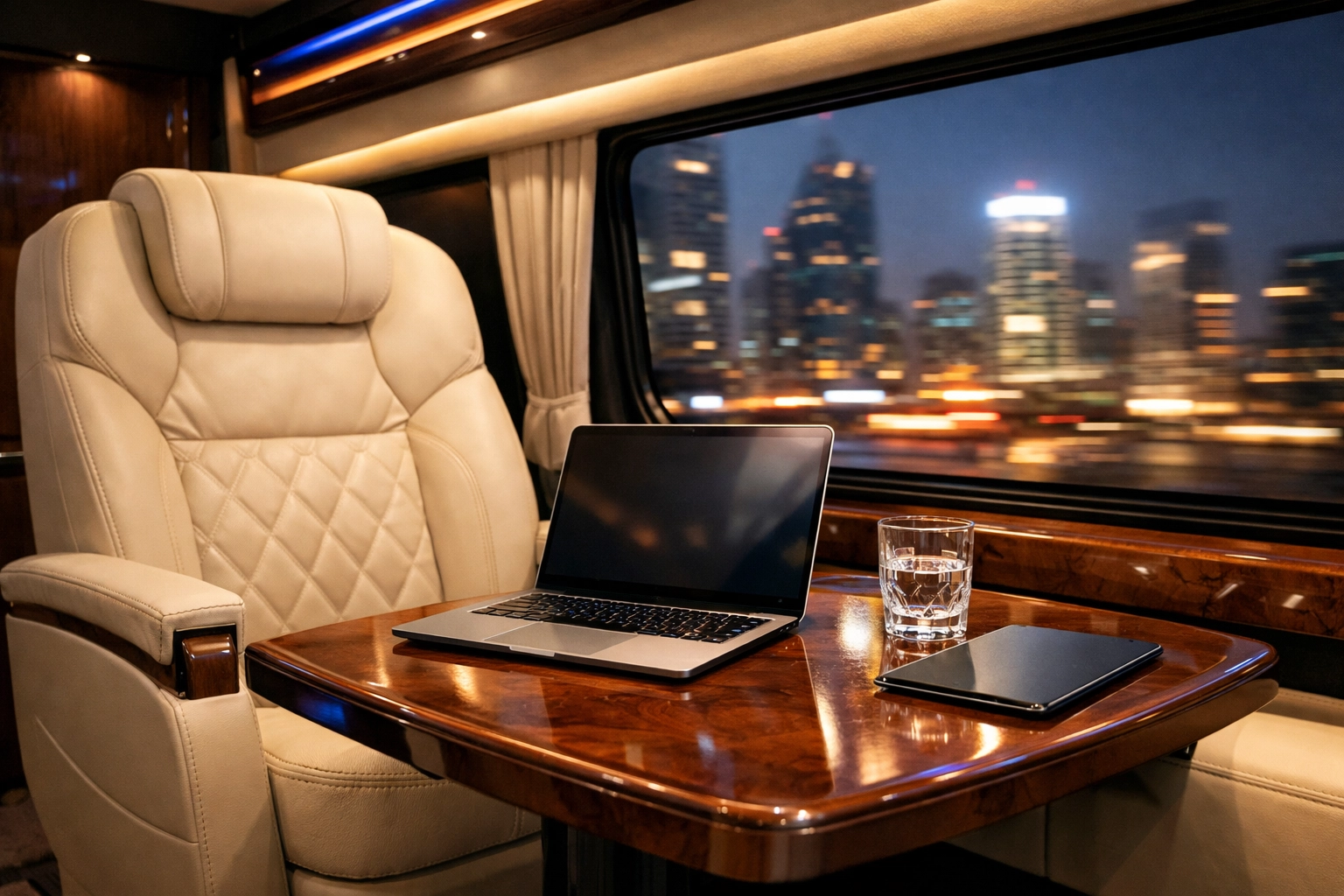
High-stakes logistics isn’t just about the destination; it’s about the condition of the executive upon arrival. The vehicles used for Super Bowl transport should serve as mobile boardrooms. This means high-speed Wi-Fi, climate control tailored to the executive's preference, and a quiet environment for last-minute brief reviews. When your leadership team arrives refreshed and informed, they are better equipped to boost brand ROI through networking.
9. The Power of Local Logistics Expertise
Every Super Bowl city has a unique geographic "personality." What worked in Las Vegas will not work in New Orleans or Los Angeles. You need a logistics partner who understands local traffic patterns, police escort protocols, and the "secret" routes that only locals know. This expertise is what allows USA Entertainment Travel to bypass the standard congestion that traps less-prepared groups.
10. The Post-Game Exit Strategy
A flawless arrival is only half the battle. The most stressful part of the Super Bowl is often the departure. Thousands of people exiting a stadium simultaneously creates a logistics vacuum. Your executive logistics plan must include a "hot standby" strategy, where your vehicle is staged in a secure, accessible location with a pre-vetted route out of the city. Don't let a great game end with a two-hour wait on a sidewalk.
Watch our latest deep dive into high-stakes travel management here: https://www.youtube.com/watch?v=l6J-0zileKE
Why Flawless Logistics Equals ROI
The math is simple: time is your most valuable asset. When you eliminate the friction of travel, you maximize the opportunity for engagement. The Super Bowl is the ultimate networking blitz, and your ability to move seamlessly between meetings, parties, and the game itself determines the volume of your pipeline for the next twelve months.
By focusing on these 10 logistical pillars, you aren't just moving people; you are managing the brand's perception and ensuring that your executives are positioned for success.
Partner With the Experts
Managing the logistics of a Super Bowl arrival is a full-time job that requires months of planning and a network of high-level contacts. At USA Entertainment Travel, we specialize in the "impossible" logistics that others shy away from. From private jet coordination to secure ground transport and VIP hospitality, we ensure that your team’s focus remains on the game and the deals: not the traffic.
Don't leave your executive reputation to chance. Ensure your arrival is as flawless as your brand. Reach out to us today to secure your logistics for the upcoming blitz.
Contact Us:
Phone: +1 970-709-0037
Email: info@usaev.com
Website: USA Entertainment Travel