
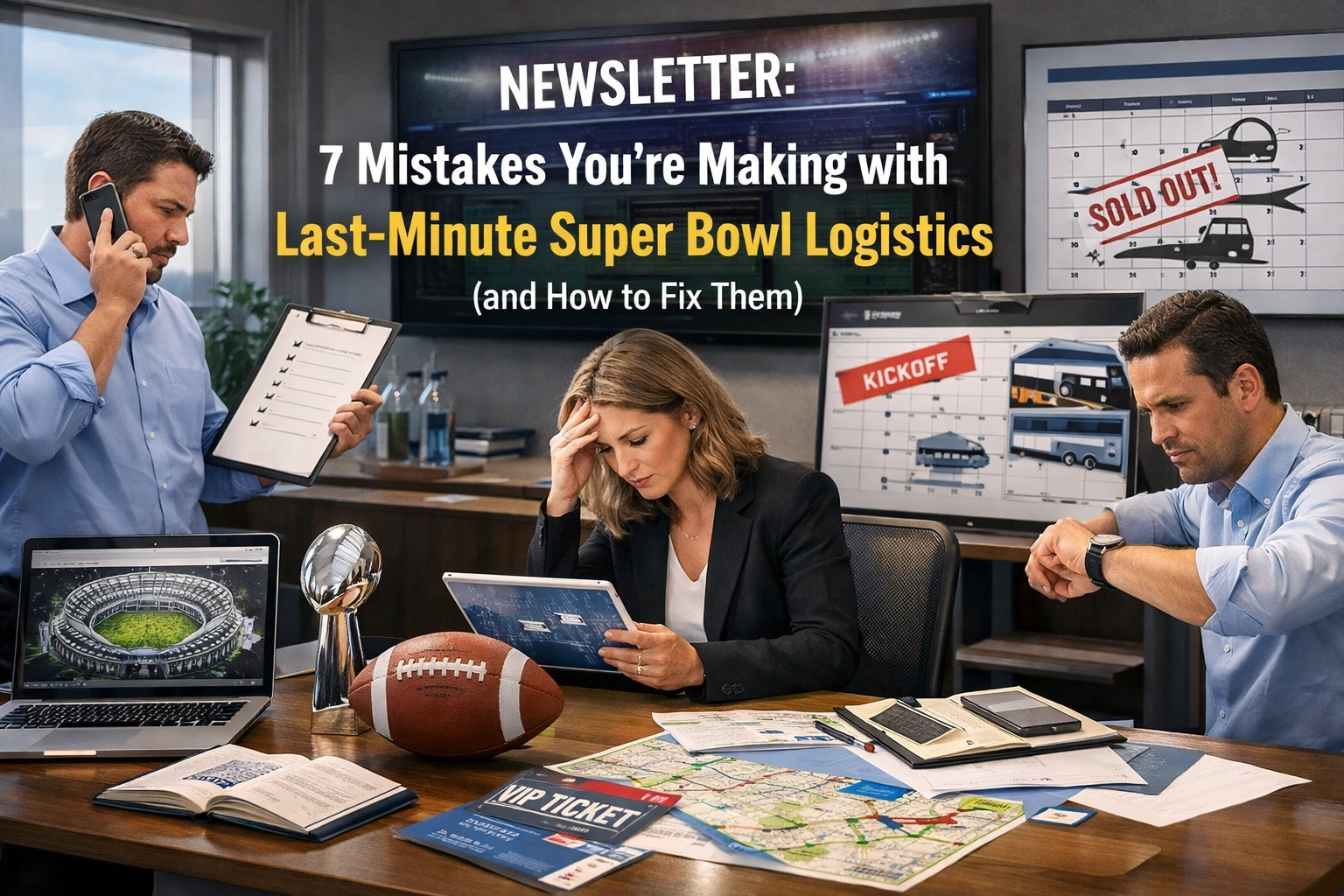
The Super Bowl is not just a sporting event; it is the ultimate corporate battlefield where brand reputations are forged or forgotten in the span of 48 hours. When you are managing high-level executives and key stakeholders, the difference between a seamless experience and a logistical nightmare lies in the details you overlook in the final weeks of planning.
Last-minute logistics often feel like a game of catch-up, but that is where the most significant risks to your corporate image reside. If your CEO is stuck in traffic while a million-dollar deal waits at a private after-party, or if your branding activation fails because of a missed permit, the cost is far higher than a line item on a budget. You must transition from a reactive mindset to a strategic one to ensure your presence at the big game is a win for your bottom line.
1. Treating Executive Transportation as a Commodity
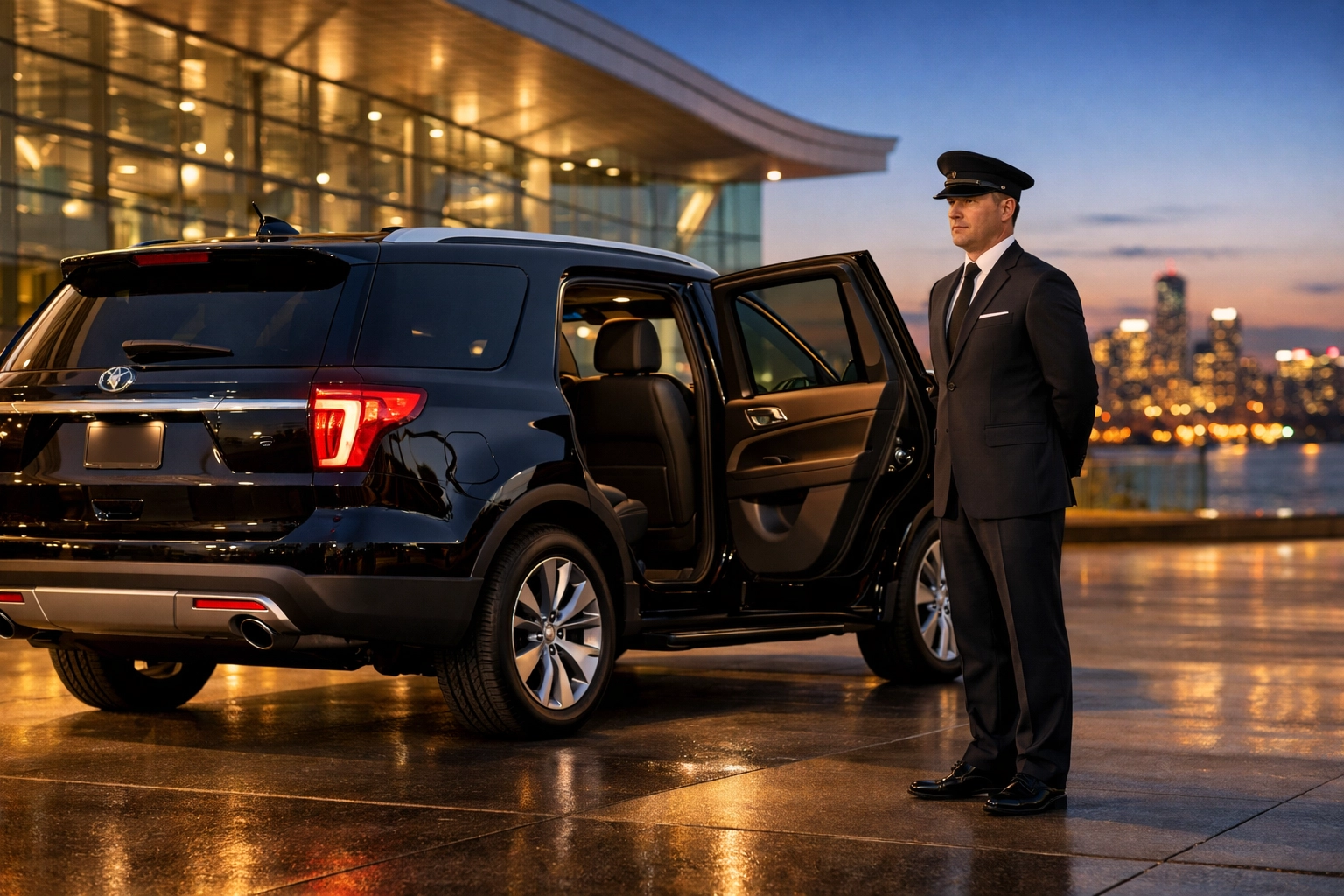
The most common error you are making is assuming that a standard black car service or a ride-sharing app will suffice in a city under Super Bowl siege. During game week, local infrastructure is pushed to its breaking point. Relying on "on-demand" services is a recipe for missed connections and frustrated executives.
The Fix: Implement a Centralized, Proactive Command Center
Secure dedicated, vetted chauffeurs who understand the specific security perimeters and road closures surrounding the stadium and major hospitality hubs. Your transportation needs to be a managed asset, not a variable. This is why USA Entertainment Travel reports record demand for executive services, as professional management eliminates the guesswork of navigating a locked-down city.
2. Failing to Synchronize the "Airport-to-After-Party" Flow
Many planners treat the flight, the hotel, and the event as separate silos. This fragmentation creates "dead zones" where executives are left waiting for luggage, check-ins, or credentials. When your logistics are disconnected, your brand appears disorganized.
The Fix: Adopt the 48-Hour Executive Blueprint
You need a comprehensive itinerary that accounts for every minute from touchdown to the final whistle. This includes pre-clearing credentials and having a concierge team ready to bridge the gap between locations. Map out every transition point to ensure a fluid movement that maximizes your team's time for networking. For a deeper dive into this strategy, examine the 48-hour executive concierge blueprint to see how seamless transitions translate into professional authority.
3. Underestimating the "Last Mile" Security Perimeter
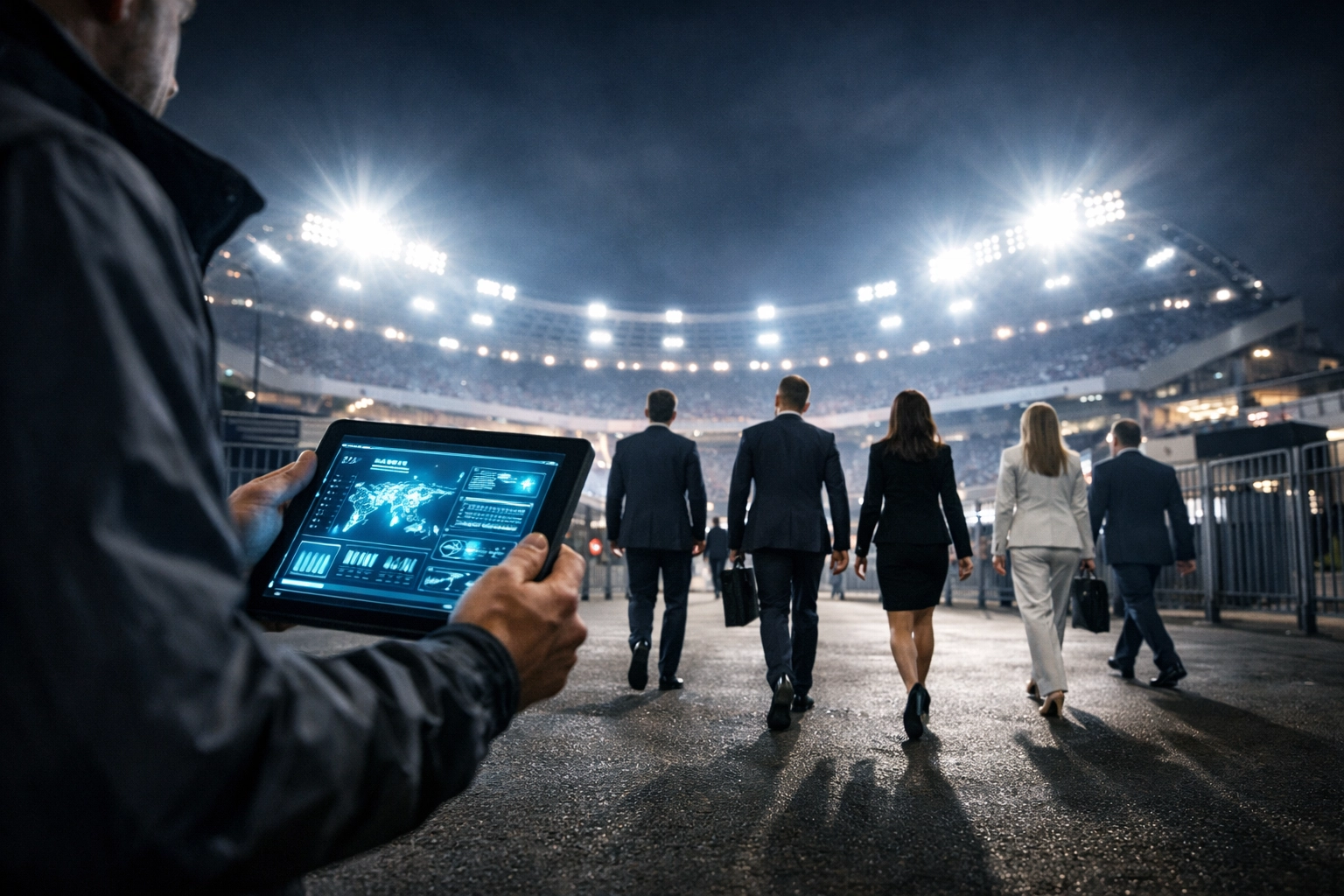
You might have the tickets and the transport, but do you have the clearance? The Super Bowl is a SEAR-1 rated security event. This means road closures can change by the hour, and security checkpoints can add 60 to 90 minutes to any commute. If your logistics plan doesn't account for the "last mile" walking distances or specialized drop-off zones, your VIPs will spend their day in a security line instead of a luxury suite.
The Fix: Deploy Specialized Executive Protection and Routing
Integrate security professionals into your travel team who have direct experience with NFL-level event perimeters. They don't just provide safety; they provide access. Knowing which gates are open and which routes are reserved for VIPs is the "secret sauce" of elite logistics. This eliminates travel chaos and maximizes brand exposure by ensuring your team is where they need to be, exactly when they need to be there.
4. Overcomplicating the Menu at High-Stakes Events
In an attempt to impress, many corporate hosts choose overly complex catering that leads to long wait times and messy execution. If your guests are struggling with difficult-to-eat food or waiting 20 minutes for a signature cocktail, they aren't talking about your business: they are complaining about the service.
The Fix: Streamline for Social Connectivity
Prioritize high-quality, easy-to-consume "power foods" that keep the energy high and the conversation flowing. The goal of Super Bowl hospitality isn't a five-course meal; it is creating an environment conducive to closing deals. Focus on layout efficiency to prevent bottlenecks. When you stop wasting money on complex hospitality, you can redirect those resources into visibility and engagement tactics that drive actual ROI.
5. Neglecting the Networking Infrastructure Within the Logistics
Logistics isn't just about moving people; it’s about moving ideas. A common mistake is focusing so hard on the "getting there" that you forget to build the "being there." If your executives don't have a quiet space to step away for a 10-minute high-stakes call or a private corner to finalize a deal, you've missed the primary purpose of the trip.
The Fix: Designate "Deal-Closing" Zones
Work with your travel management team to identify and secure "third spaces": luxury lounges or private hospitality suites: that serve as your home base. Every logistical move should be seen through the lens of networking. Transform game day chaos into strategic brand wins by ensuring your logistics plan includes the physical space needed for business to happen.
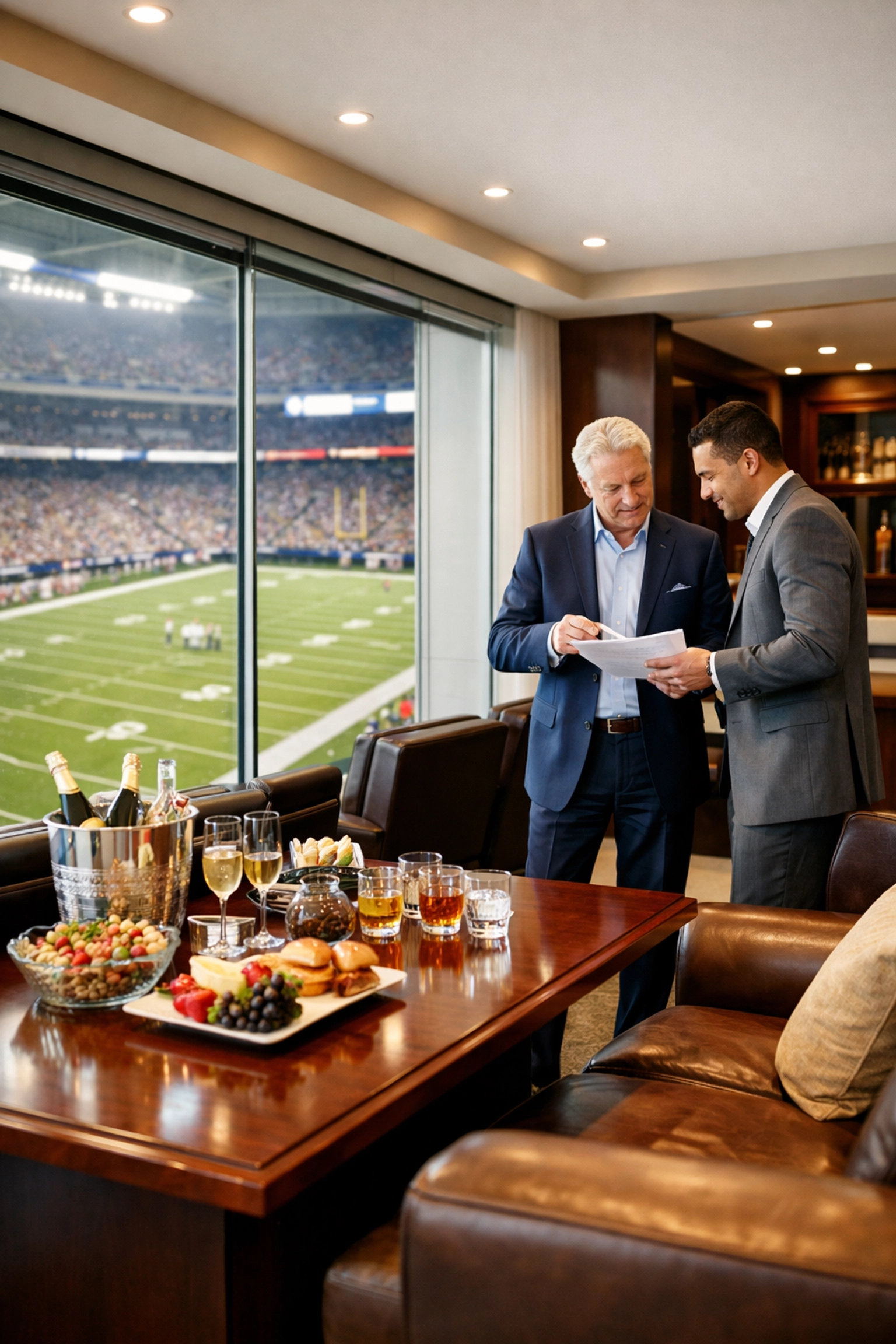
6. Ignoring the Support Staff’s Logistical Needs
While you are focused on the C-suite, who is managing the managers? If your support staff is exhausted, staying two hours away from the venue, or lacks clear communication tools, the entire executive experience will suffer. A breakdown in staff logistics eventually ripples up to the VIP level.
The Fix: Treat Your Support Team Like VIPs
Proximity is power during the Super Bowl. Ensure your on-the-ground team is housed within a reasonable distance of the primary action and equipped with real-time communication technology. When your support staff is agile and well-rested, they can anticipate needs before the executives even realize they have them. This high-level coordination is what Fortune 500 CEOs know about executive event logistics: the machine only runs as well as its smallest parts.
7. Failing to Capture and Leverage the Experience
The final mistake is treating the Super Bowl as a one-off event that ends when the clock hits zero. If you haven't planned for post-event follow-up, content capture, and ROI analysis, you are leaving millions of dollars in potential revenue on the table.
The Fix: Integrate a Post-Event "Capture" Protocol
Ensure your logistics team is also tracking data: Who attended which event? How long did they stay? What were the key touchpoints? Use this data to turn a 500k investment into a 5M business opportunity. Your logistics should facilitate the gathering of this intelligence seamlessly, without intruding on the guest experience.
Watch Our Strategic Playbook
To see how these logistical fixes come together in a real-world setting, watch our latest brief on elite corporate travel management:
https://www.youtube.com/watch?v=l6J-0zileKE
Elevate Your Super Bowl Presence
Mastering last-minute logistics is about more than just avoiding errors; it is about creating a vacuum-sealed environment where your brand can thrive without the interference of outside chaos. By fixing these seven mistakes, you position your company as a leader in both hospitality and execution.
The clock is ticking toward kick-off. Don't let a logistical oversight bench your brand during the most important weekend of the year. Whether you need a revolutionary corporate travel package or a simple audit of your current plans, professional management is your greatest asset.
Drive your brand forward. Eliminate the chaos. Win the weekend.
Contact USA Entertainment Travel today to secure your logistics:
Phone: +1 970-709-0037
Email: info@usaev.com