
The initial impression your corporate brand makes during Super Bowl weekend is the pivot point between a forgotten weekend and a multi-million dollar partnership. In the high-stakes world of executive travel management, the difference between a seamless networking victory and a logistical disaster often hangs by a thread. When you are moving high-net-worth individuals, Fortune 500 C-suite executives, and key stakeholders, the stakes are far higher than just getting from point A to point B.
You are not just managing a trip; you are managing a brand activation. Every minute your executive spends stuck in traffic or waiting for a delayed car is a minute of lost networking potential. That’s why professional management is the cornerstone of any successful sports marketing strategy. To help you navigate the upcoming blitz, we’ve identified the seven most common: and most expensive: mistakes corporate leaders make, along with the proven fixes to ensure your brand dominates the field.
Before we dive into the strategy, take a moment to watch our latest breakdown of high-stakes logistics here: https://www.youtube.com/watch?v=l6J-0zileKE
1. Underestimating Actual Transportation Demand
The most common error in Super Bowl planning is relying on your initial RSVP list to dictate your transportation fleet. Your capacity projections are almost certainly too low, and that miscalculation can derail your entire weekend. History proves this: during the 2014 MetLife Super Bowl, transit systems expected 12,000 riders but were hit with 30,000, creating gridlock that lasted well past midnight.
When you book exactly for the number of guests on your list, you leave no room for the unexpected. Weather shifts, last-minute VIP additions, or a partner’s sudden need for a ride can turn your "perfect" plan into a scramble for non-existent vehicles.
The Fix: Build a 40% Buffer Capacity
Secure 40% more vehicle capacity than your primary guest list requires. If you have 100 confirmed guests, prepare for 140. While this requires a slightly higher upfront investment, it is your insurance policy against $15,000 emergency surcharges and the embarrassment of leaving a key client stranded. You can learn more about how we handle these surges in our Super Bowl Transportation Logistics Secrets.
2. Ignoring Multi-Point Security Bottlenecks
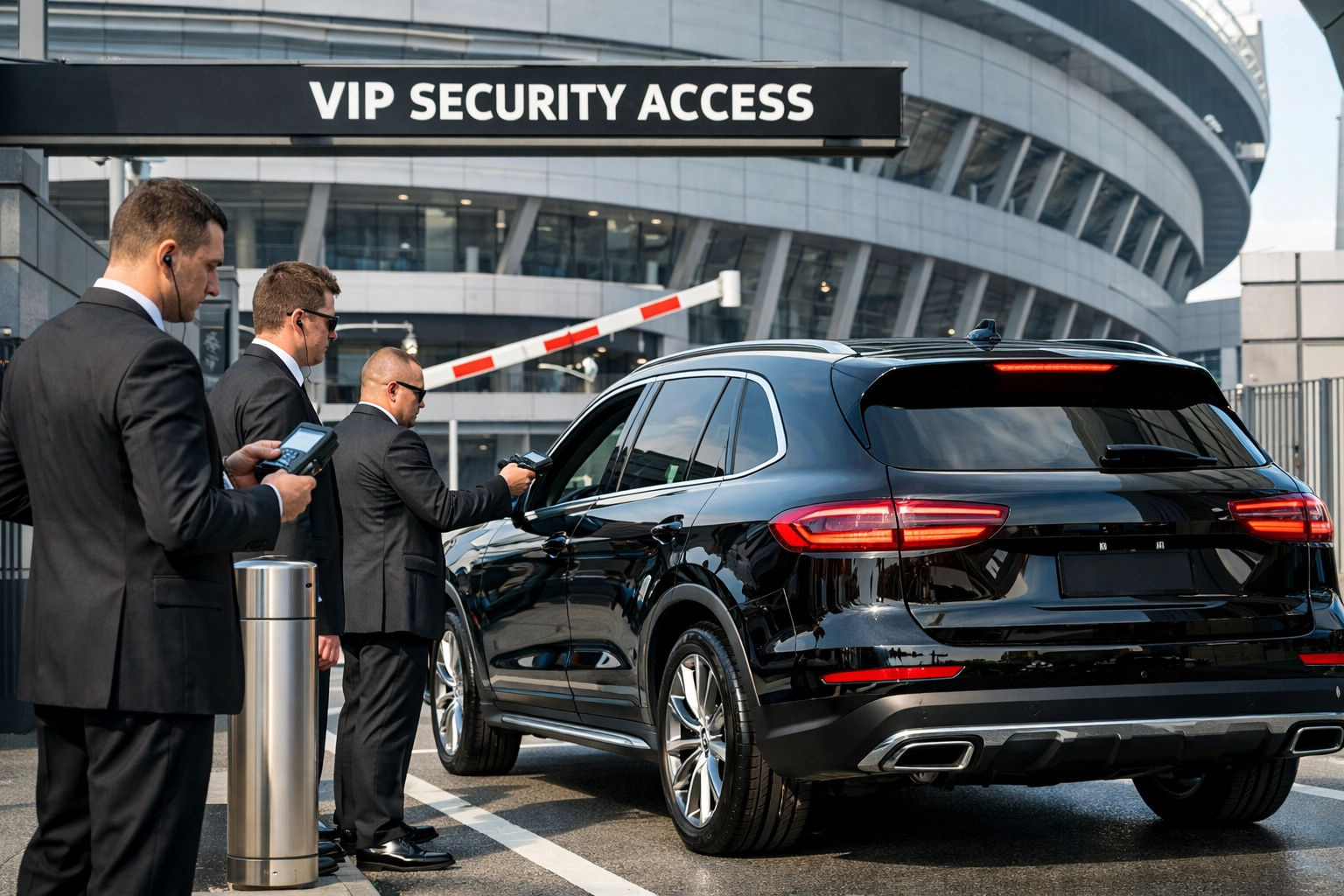
You likely have a plan for stadium security, but what about the checkpoints you haven't considered? In a Super Bowl host city, security isn't just at the gate; it’s everywhere. From hotel departure cordons to transit hub sweeps and hospitality lounge entrances, each layer adds friction to your timeline.
Most planners assume a standard 10-minute delay for security. In reality, these bottlenecks frequently consume 25 to 30 minutes each. If your executive has three checkpoints to cross, they are already an hour behind schedule before they even reach their seat.
The Fix: Map and Pad the Timeline
Identify every possible security touchpoint from the hotel door to the stadium suite. Add a mandatory 25-minute buffer per checkpoint to your itinerary. To go a step further, coordinate with professional security vendors to establish expedited VIP lanes where possible. This ensures your guests feel like the VIPs they are, rather than just another face in a crowd of 70,000.
3. Treating All Routes as Equal
Relying on standard GPS or "local knowledge" during Super Bowl weekend is a recipe for failure. The host city undergoes a radical transformation where normal traffic patterns are discarded in favor of security perimeters and massive fan zones. A typical 20-minute drive can easily become a two-hour ordeal when the primary artery is closed for a pre-game concert or a motorcade.
The Fix: Real-Time Monitoring and Route Scouts
Demand that your transportation partner utilizes real-time traffic monitoring and dynamic route optimization. At USA Entertainment Travel, we don't just watch an app; we deploy route scouts to identify physical obstacles before our vehicles ever reach them. This proactive approach allows for immediate rerouting, keeping your executives moving while others are stuck behind police barricades.
4. Creating Single-Point Transit Hub Dependency
Funneling all your guests through a single transfer point is a logistical "single point of failure." When a central hub becomes overwhelmed: as seen in numerous past events: the entire system grinds to a halt. If that hub fails, your entire corporate delegation is paralyzed.
This is where many "budget" management plans fall apart. They rely on the city's public infrastructure or a single shuttle point to save costs, but they sacrifice the executive experience in the process.
The Fix: Multi-Path Transportation Architecture
Design a transportation plan that utilizes multiple routes and vehicle types. Deploy dedicated, direct-route private vehicles for your top-tier VIPs while utilizing secondary paths for larger groups. By diversifying your transit footprint, you ensure that even if one route is blocked, your brand’s movement remains fluid. This is a core component of our 48-Hour Executive Concierge Blueprint.
5. Inadequate Return Trip Planning
Your arrival strategy might be flawless, but if your departure plan isn't equally robust, your guests' last memory of the event will be frustration. People arrive at the stadium over a four-hour window, but they all leave within 30 minutes of the final whistle. If your return capacity matches your arrival capacity, you have failed.
The "post-game exodus" is the most volatile part of the weekend. Thousands of people are competing for a limited number of rideshares and shuttles, and wait times can exceed three hours.
The Fix: Reverse-Engineer the Departure
Work backward from the time your executives need to be back at their hotel or after-party. Position your return vehicles for immediate deployment the moment the game ends. Your goal is to have your premium guests exiting the stadium area within 15 minutes of the trophy presentation. This level of precision is what transforms a standard trip into a Strategic Brand Win.
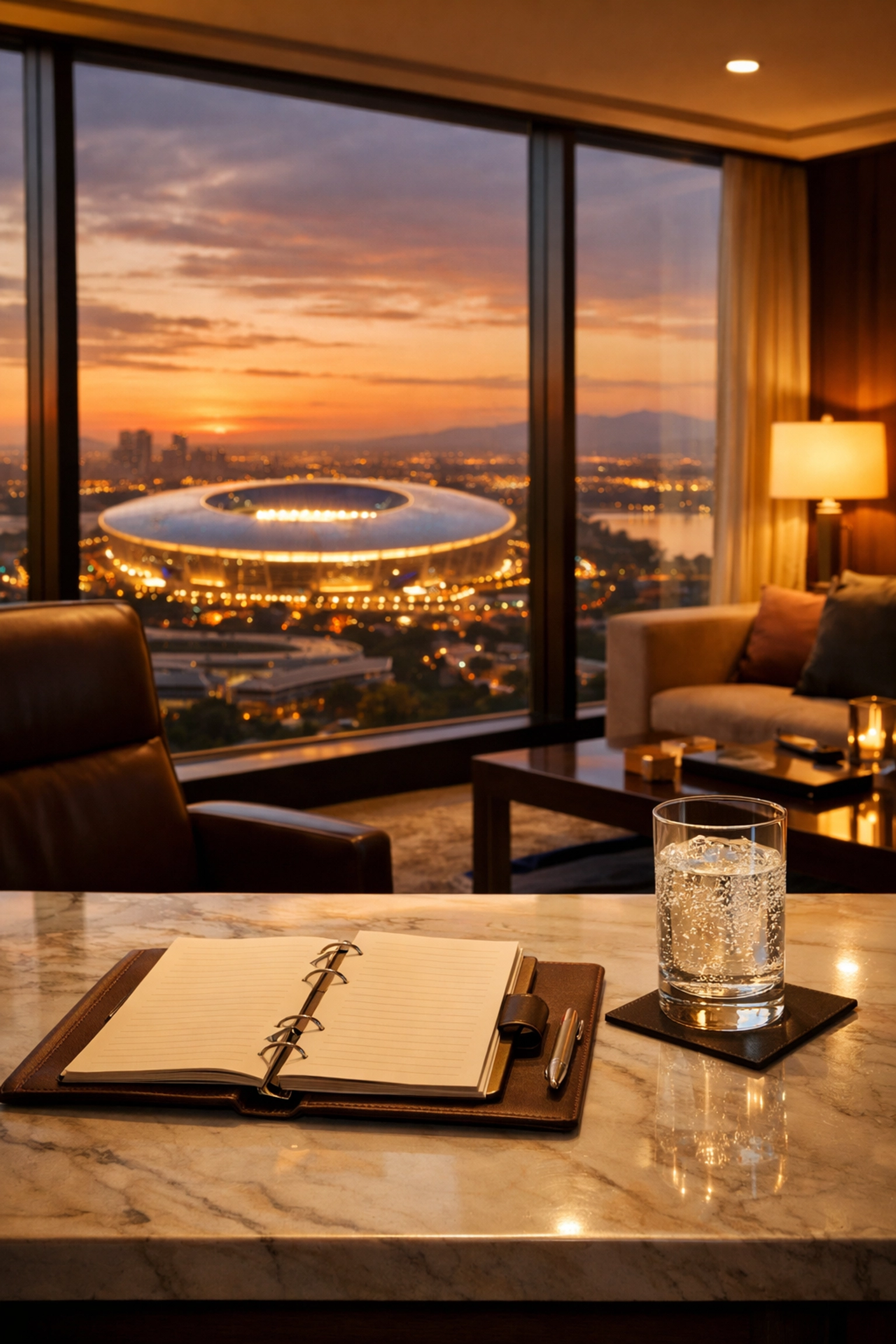
6. Waiting Until the Last Minute for Hotel Accommodations
Hotel rates during the Super Bowl don't just go up; they explode. Downtown locations near the venue often see nightly rates jump by over $2,300 per room. Waiting until the season starts to book your blocks isn't just a logistical headache: it’s a massive drain on your ROI.
Companies that wait often find themselves forced to stay in sub-par accommodations far from the action, which adds more travel time and complexity to an already packed schedule.
The Fix: Lock in Blocks 6–8 Months in Advance
The most successful Fortune 500 companies secure their hotel blocks at least six to eight months out. This allows you to negotiate corporate rates and ensure your team is positioned in high-comfort, high-access locations. If primary downtown hotels are full, we look for premium properties 20-40 minutes away that offer better value and superior service, provided they are paired with elite transit solutions. For more on this, check out our record demand report.
7. Operating Without High-Stakes Contingency Plans
In a high-pressure environment like the Super Bowl, things will go wrong. Flights get delayed, weather turns, and medical emergencies happen. Operating without a "Plan B" (and a Plan C) is the fastest way to turn a minor hiccup into a six-figure disaster.
If your travel manager doesn't have an immediate solution for a cancelled VIP flight or a road closure, your networking opportunities vanish instantly.
The Fix: Deploy a Dedicated Support Team
Ensure your travel management partner has a 24/7 "War Room" mentality during the event. This includes maintaining relationships with multiple backup vendors and having a VIP concierge program that integrates transportation, security, and hospitality under one umbrella. When a problem arises, the solution should be implemented before the executive even notices there was an issue.
Turn Your Logistics into Revenue
Managing travel for the Super Bowl is about more than just logistics; it’s about creating an environment where your executives can close deals and build relationships without the stress of "getting there." By avoiding these seven common mistakes, you position your brand as a leader in excellence and reliability.
Whether you are looking for a proven framework for executive networking or need to eliminate the chaos of game-day transportation, USA Entertainment Travel is your strategic partner.
Don't leave your brand's reputation to chance. Let us handle the high-stakes management while you focus on the win.
Contact USA Entertainment Travel today to secure your 2026 Super Bowl strategy:
- Phone: +1 970-709-0037
- Email: info@usaev.com
- Watch the Playbook: https://www.youtube.com/watch?v=l6J-0zileKE
- Explore More Insights: Our Blog | Contact Form