
The Super Bowl is no longer just a championship football game; it is the ultimate global stage for corporate dominance. For a CEO, the stakes during Super Bowl week extend far beyond the gridiron. It is the one moment of the year when the entire world is watching, and your brand has the opportunity to move from a participant to a cultural icon. The initial impression your brand makes during this high-octane window is crucial, and that’s where a precision-engineered sports marketing strategy becomes your most valuable asset.
Dominating the Super Bowl requires more than just a large budget; it requires a sophisticated, multi-layered approach that blends digital innovation with high-end physical presence. You need to think of the event as a cultural ecosystem rather than a single media buy.
Learn more about our approach here: https://www.youtube.com/watch?v=l6J-0zileKE
Step 1: Build a 360-Degree Multi-Platform Strategy
The days of relying solely on a 30-second television spot are over. To truly dominate, you must capture your audience across every touchpoint they engage with during the game. In 2026, fans are multi-screening: they are watching the game on a 4K display while simultaneously scrolling through TikTok, checking stats on their phones, and engaging in live threads on YouTube.
You must lean into a "digital-first" mindset even when executing a traditional event. Your strategy should combine social media campaigns, real-time influencer content, and immersive storytelling. By spreading your presence across platforms like YouTube and Meta, you ensure that your brand is inescapable. This creates a "surround-sound" effect where the consumer feels your brand's energy throughout the entire day.
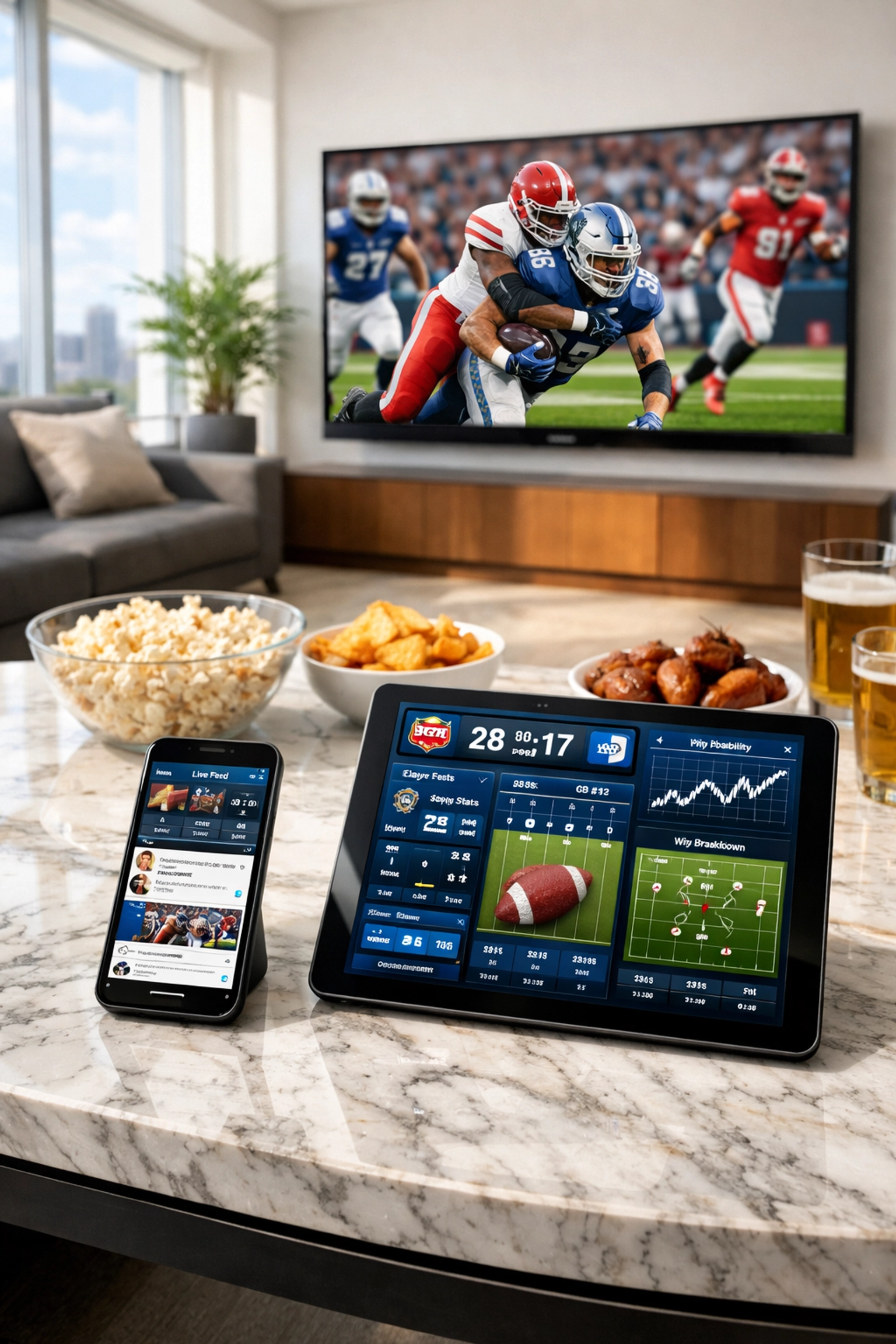
That’s why leading brands now prioritize services for brands that integrate digital reach with physical experiences. When you synchronize your online messaging with your offline activations, you create a cohesive brand narrative that lingers in your readers' minds long after the final whistle.
Step 2: Execute a Three-Phase Campaign Timeline
Timing is the difference between a forgotten ad and a legendary campaign. You cannot simply show up on game day and expect to win. You must structure your marketing around three distinct phases to maximize your Return on Investment (ROI).
Pre-Game Hype (January 15 – February 7)
Build awareness early to position your brand at the top of the consumer's mind. Use this period to seed content, release teasers, and build retargeting pools. By launching campaigns weeks in advance, you take advantage of lower advertising costs and establish a foundation of interest that your competitors will struggle to match as the game nears.
Game Day (The Main Event)
Prepare your teams for real-time reactions. The most successful brands are those that can pivot instantly to viral moments. Whether it’s a power outage or a miraculous catch, your brand needs to be part of the conversation as it happens. Active engagement during the game achieves the highest visibility.
Post-Game Saturation (February 9 – February 15)
The week after the Super Bowl is often where the real conversion happens. Aggressively retarget users who engaged with your content. Capture the viewers who are searching for ad reactions and game highlights. This phase drives sustained engagement and transforms temporary interest into long-term customer relationships.
Step 3: Prioritize Influencer Partnerships and Authentic Content
In the modern marketing landscape, authenticity is the new gold standard. CEOs must understand that high-production polish often takes a backseat to genuine human connection. Influencer ads are critical because they provide a layer of trust that traditional corporate messaging sometimes lacks.
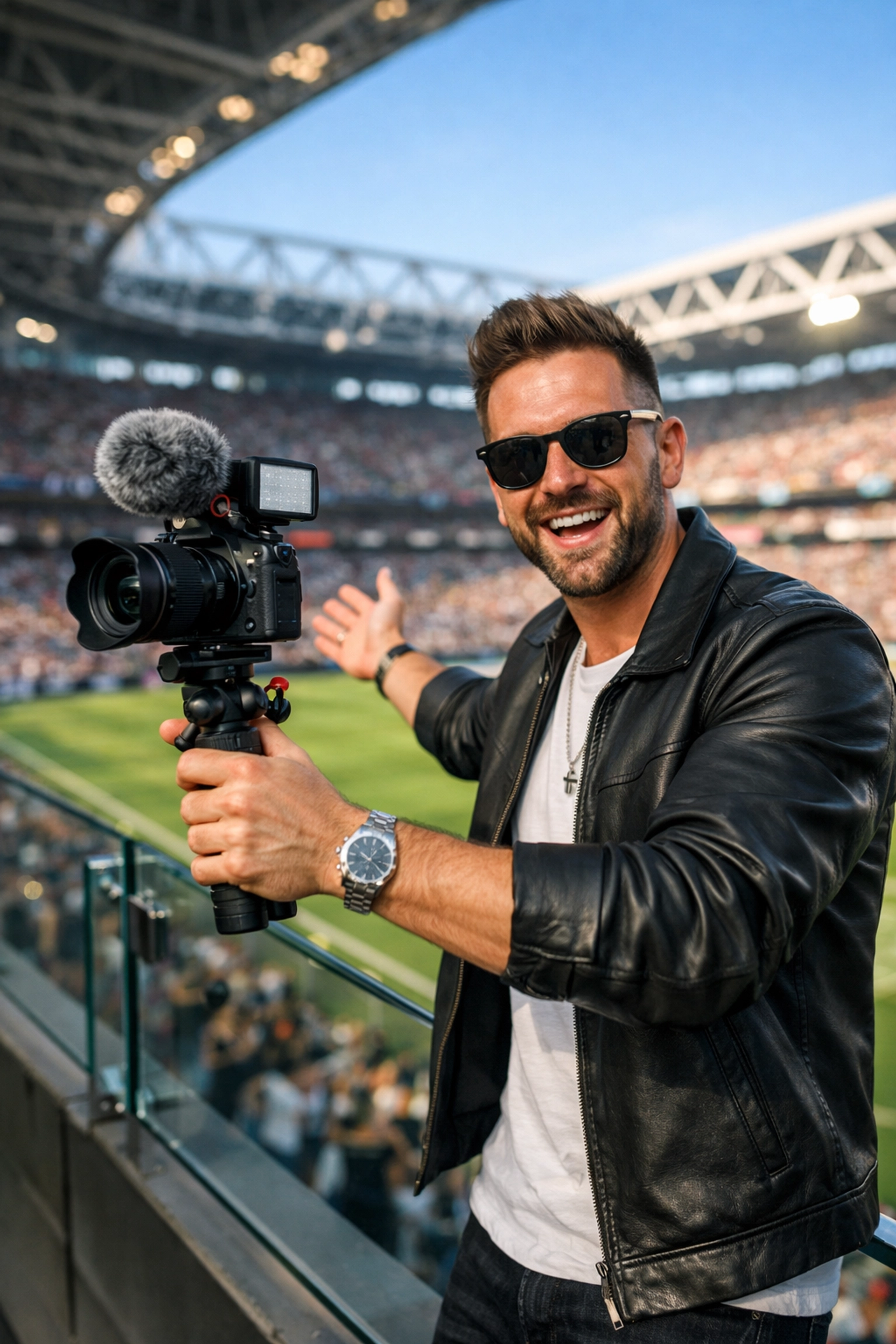
Take inspiration from major brands that partner with influencers to share "behind-the-scenes" clips and exclusive access. For example, partnering with a high-profile creator to document their VIP experience at the game can achieve significantly higher engagement rates than a standard commercial. You should incorporate user-generated content into your strategy to create a sense of community around your brand.
Start these collaborations early to build momentum. When you combine the reach of a global influencer with the precision of your brand's message, you achieve a level of efficiency that traditional media rarely offers. Dive deep into these partnerships to ensure they align with your company policies and brand ethics.
Step 4: Leverage AI-Driven Personalization and Contextual Targeting
The modern CEO knows that data is the fuel for any successful marketing engine. Use AI and predictive analytics to ensure your digital ads appear in contextually relevant streams when your audience is most engaged. Whether your target demographic is browsing fantasy football forums or luxury lifestyle blogs, your brand needs to be there.
Contextual placement is the new king of sports marketing. Brands that utilize dynamic ad insertion: shifting their messaging based on the game's progress: see significantly higher conversion rates. If the game is a blowout, your messaging might pivot toward "celebration" or "comfort," depending on your product. This level of responsiveness makes your brand feel alive and attuned to the audience's emotions.
By leveraging AI, you can ensure that every dollar of your marketing budget is spent reaching high-intent audiences. This precision reduces waste and ensures that your brand presence is felt by those who matter most to your bottom line.
Step 5: Create an Omnichannel Presence (Digital + Physical)
While digital dominance is essential, the Super Bowl is a physical event that demands a physical presence. This is where the world of marketing meets the world of luxury corporate logistics. To dominate, your brand must be visible on the ground in the host city.
This means more than just a billboard. It means hosting VIP executive events, securing premium hospitality suites, and ensuring your top stakeholders have a seamless, high-end experience. The synergy between your digital campaign and your physical activations creates a powerful brand image. When a client sees your ad on their phone and then steps into a branded luxury transport vehicle or a VIP lounge, the brand reinforcement is absolute.
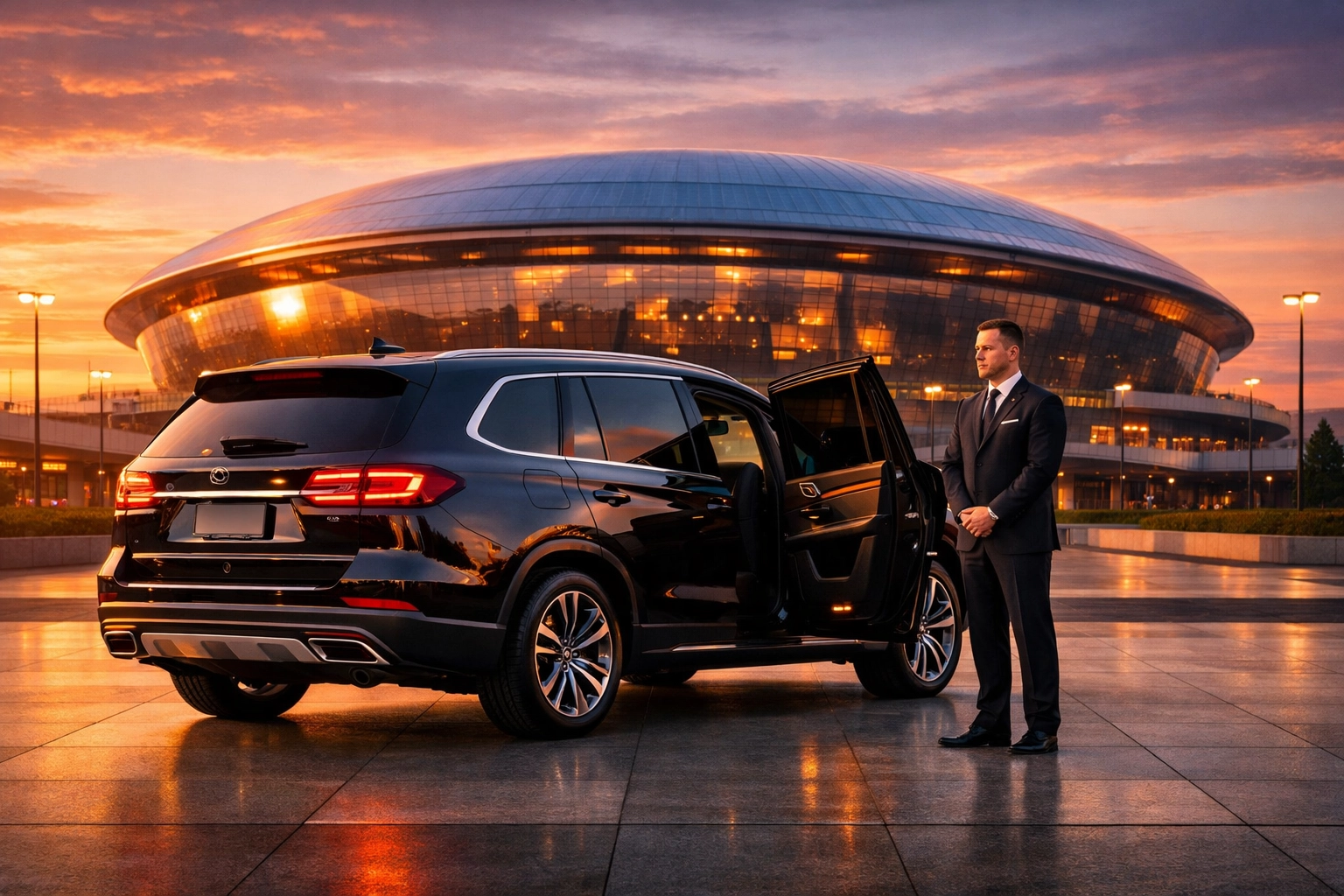
That’s why corporate travel management is a secret weapon in sports marketing. Handling the complex logistics of moving executives and influencers during the busiest week of the year requires an expert hand. You can view our portfolio to see how physical presence and logistical excellence combine to elevate a brand’s status.
The CEO’s Role in Brand Domination
As a CEO, your job is to set the vision and ensure your team has the resources to execute at the highest level. You are the architect of the brand's presence. By following these five steps, you move beyond the "scattergun" approach to marketing and move into a realm of strategic precision.
You aren't just buying an ad; you are buying a seat at the table of global culture. The Super Bowl is the ultimate venue for this transformation. Ensure your brand is protected and compliant by reviewing our terms and conditions and privacy policy as you plan your large-scale activations.

Hook your audience with a 360-degree strategy, maintain the rhythm with a three-phase timeline, and seal the deal with authentic influencer connections and AI-driven precision. Finally, ground it all in a physical presence that exudes luxury and professional excellence. This is how you dominate the Super Bowl.
If you are ready to take your brand to the next level and ensure your corporate logistics match your marketing ambition, it is time to act. Professional guidance is the bridge between a good campaign and a legendary one.
Contact USA Entertainment Travel today to secure your brand's legacy at the next major sporting event.
Phone: +1 970-709-0037
Email: info@usaev.com
Website: https://travel.usaev.com/contact