

The Super Bowl is not just a championship game; it is the ultimate global stage for corporate hospitality, brand positioning, and executive networking. When you host your top-tier clients and C-suite executives at this level, the margins for error disappear. A single transportation delay or a secondary-market ticket mishap doesn't just ruin a weekend: it damages your brand's reputation and jeopardizes high-value relationships.
Managing luxury corporate logistics for an event of this magnitude requires a surgical level of precision. Unfortunately, many companies fall into predictable traps that lead to skyrocketing costs and logistical nightmares. To ensure your brand shines under the bright lights, you must identify these pitfalls before they occur.
Here are the seven most common mistakes you're making with Super Bowl luxury corporate logistics and the professional strategies you need to fix them.
1. Treating Group Coordination as a DIY Marketing Task
The most frequent error companies make is assigning complex travel and logistics to an internal marketing or HR team. While your team is talented, the Super Bowl is a specialized ecosystem that requires deep industry connections and experience in high-pressure environments. Attempting DIY group coordination often leads to a disconnect between the vision and the execution.
You need a dedicated partner who understands the nuances of high-stakes corporate travel. That’s where specialized management comes in. Professional logistics teams provide the bridge between your brand’s goals and the physical reality of a city under a total security lockdown. By offloading the technical burden to experts, you allow your team to focus on what they do best: relationship building.
Dive deep into professional solutions by visiting our Services and Brands page to see how a structured approach transforms the guest experience.

2. Failing to Account for the "Security Perimeter" Reality
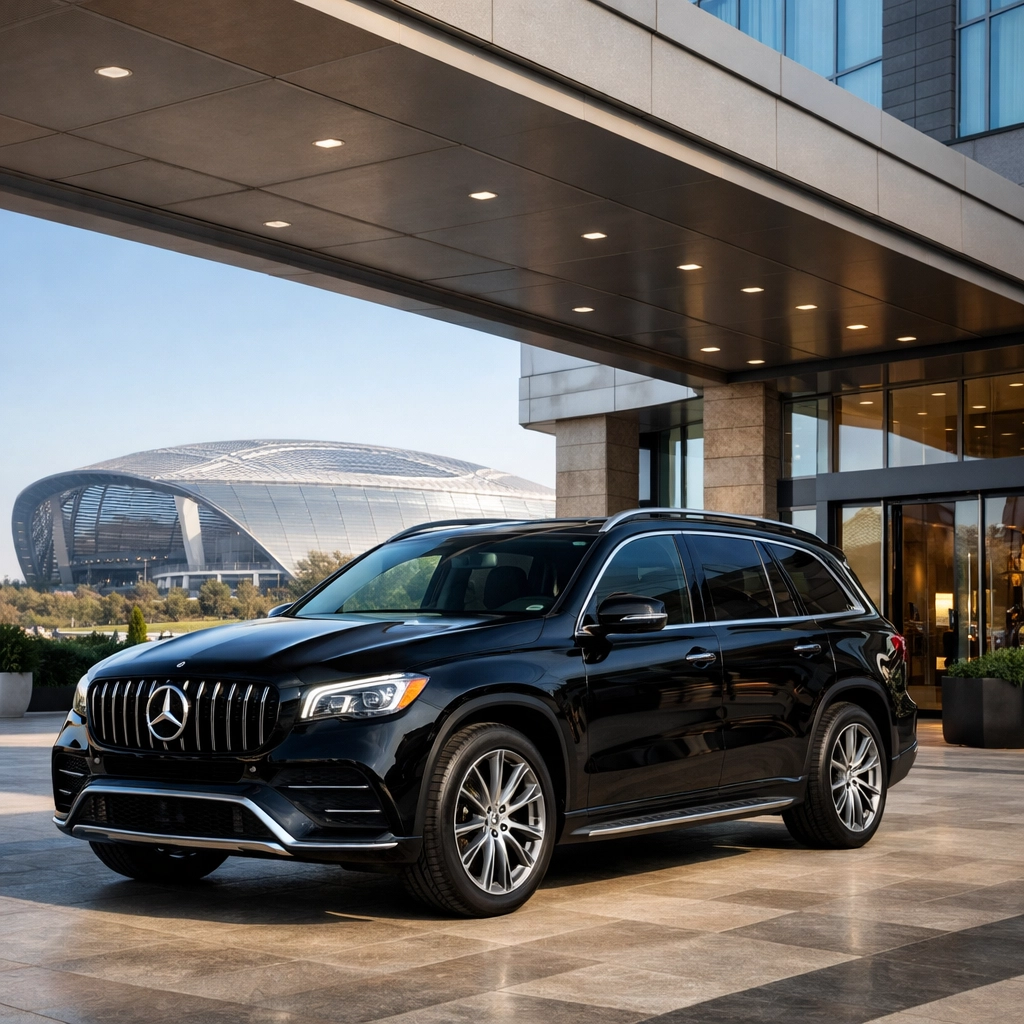
The Super Bowl is a National Special Security Event (NSSE). This means the security protocols are managed by the Secret Service and federal agencies, creating "hard zones" and "soft zones" that restrict vehicle movement for miles. Many logistics planners assume their black car service will be able to drop VIPs at the stadium entrance. This is a critical mistake.
Without the proper permits and "hang-tags," your executives could find themselves walking blocks in unfavorable conditions or getting stuck at security checkpoints for hours. You must fix this by securing credentialed transportation and planning for "staging areas" where guests can transition smoothly from luxury vehicles to security-cleared shuttles or walking paths.
Always verify your transportation provider's access levels months in advance. To learn more about how we handle these high-level requirements, watch our latest strategy breakdown here: https://www.youtube.com/watch?v=l6J-0zileKE.
3. Underestimating the "Wait and See" Housing Penalty
The search for the perfect hotel often leads to a "wait and see" approach, where companies hope for better rates or cancellations closer to the event. In the world of Super Bowl logistics, this is a recipe for a six-figure disaster. Research shows that failing to lock in housing contracts early can cost companies over $100,000 per event in premium markups and sub-par accommodations.
The fix is simple: Move early and move decisively. You must secure room blocks in proximity to both the stadium and the "Super Bowl Experience" hubs. Waiting until the playoff picture is clear means you’ll be staying in airport hotels while your competitors are in the heart of the action. Establish your presence early to maintain the luxury standard your VIPs expect.
4. Overlooking Real-Time Inventory and Concession Tracking
If you are hosting guests in a private suite, the experience hinges on more than just the view. A common mistake is failing to account for real-time inventory management of high-end concessions, merchandise, and premium spirits. There is nothing more damaging to a VIP experience than running out of a requested vintage or a specific brand of refreshment mid-game.
That’s why you must implement a rigorous inventory tracking system with your hospitality provider. Ensure you have a dedicated suite host who has a direct line to the stadium's catering and logistics hub. This proactive management ensures that your guests' needs are met before they even have to ask, reinforcing your brand’s commitment to excellence.
5. Neglecting the "White-Glove" Arrival Experience
Your logistics plan shouldn't start at the stadium gates; it starts the moment your guests land at the airport. A frequent oversight is providing standard airport transfers for VIP executives. In a city hosting the Super Bowl, airports are chaotic, and ride-share apps are virtually useless due to surge pricing and restricted access.
Hook your readers and guests immediately by providing a "white-glove" greeting service. This includes "meet-and-greet" personnel at the gate, luggage porters, and pre-staged luxury vehicles waiting in the private aviation or commercial VIP lanes. This initial impression sets the tone for the entire weekend. If the arrival is seamless, the guest feels valued from minute one.
For a look at how we structure these high-touch portfolios, visit our Portfolio page.

6. Ignoring Corporate Compliance and Policy Alignment
In the excitement of a major sporting event, it’s easy to overlook the fine print of corporate travel policies and compliance regulations. Mistakes here can lead to legal headaches and internal audits after the confetti has been swept away. Many companies fail to align their luxury spending with their internal Company Policies.
Fix this by integrating your compliance team into the planning process from day one. Ensure all expenses are documented, guest lists are vetted, and any "gift-giving" (like tickets or hospitality) adheres to industry-specific regulations. Maintaining a clear paper trail is essential for long-term program success. You can review standard Terms and Conditions to understand the framework of professional event contracts.
7. Lacking a "Post-Game" ROI Strategy
The final mistake is treating the Super Bowl as a one-off expense rather than a strategic investment. Most companies pack up and go home without a plan to capitalize on the momentum generated during the event. If you don't have a strategy to transition the relationships built in a luxury suite into tangible business outcomes, you've missed the point of the logistics exercise.
Fix this by integrating a post-event engagement plan into your logistics timeline. This includes personalized follow-up gifts, "thank you" communications that reference specific moments from the game, and a debriefing session with your sales team to track lead progression. Your logistics partner should provide you with data and feedback from the event to help refine this strategy.

The USA Entertainment Travel Advantage
Navigating the complexities of the Super Bowl requires more than just a passion for the game; it requires a mastery of the logistics behind the scenes. At USA Entertainment Travel, we specialize in turning high-pressure logistics into seamless luxury experiences. We understand the stakes because we live them every season.
Don't let avoidable mistakes undermine your brand’s most important week of the year. By addressing housing, transportation, security, and compliance with a professional eye, you ensure that your guests remember the game: and your brand: for all the right reasons.
For more insights on luxury corporate travel and to see our full suite of services, explore our Blog or watch our expert guides on YouTube: https://www.youtube.com/watch?v=l6J-0zileKE.
Ready to elevate your Super Bowl presence?
Contact USA Entertainment Travel today to start planning your faultless executive experience.
Contact Information:
Phone: +1 970-709-0037
Email: info@usaev.com
Website: travel.usaev.com