
Your corporate travel program can generate exceptional returns while keeping travelers happy: and the key lies in strategic alignment between cost control and employee experience. Companies taking a well-governed approach to business travel achieve up to 30% higher revenue than their peers, proving that smart travel management directly impacts your bottom line.
The most successful travel programs recognize that ROI and traveler satisfaction work hand in hand. When you implement systems that make compliance easy and booking seamless, employees naturally follow policies that drive cost savings. That's where the magic happens: satisfied travelers who book strategically create the foundation for outstanding financial performance.
Strategic Planning for Maximum ROI
Align Your Travel Policies with Business Objectives
Start by connecting your travel and expense policies directly to your organization's broader financial goals. Every dollar invested in business travel generates an average of $12.50 in incremental revenue, but only when spending aligns with strategic priorities.
Focus your highest travel budgets on face-to-face business development opportunities if customer acquisition drives your growth strategy. Channel resources toward relationship-building activities that generate measurable business outcomes. This targeted approach ensures every travel dollar works toward your most important objectives.
Develop Your Implementation Roadmap
Create a comprehensive plan that examines your current spending patterns and identifies optimization opportunities. Start by tracking unused credits and change fees: these represent immediate savings potential that many organizations overlook.
Analyze how much time your employees currently spend managing travel logistics. This hidden cost often exceeds the direct travel expenses themselves. When you streamline these processes, you free up valuable employee time while reducing operational friction.

Implement Strategic Booking Incentives
Encourage early bookings through incentive programs that reward advance planning. Structure these incentives to balance cost savings with business flexibility: excessive advance requirements can actually hurt performance if they prevent necessary last-minute travel.
Design approval processes that enable real-time decision-making without creating bottlenecks. Your managers need the authority to approve business-critical travel quickly while maintaining cost oversight.
Technology Solutions That Work
Deploy AI-Powered Travel Management
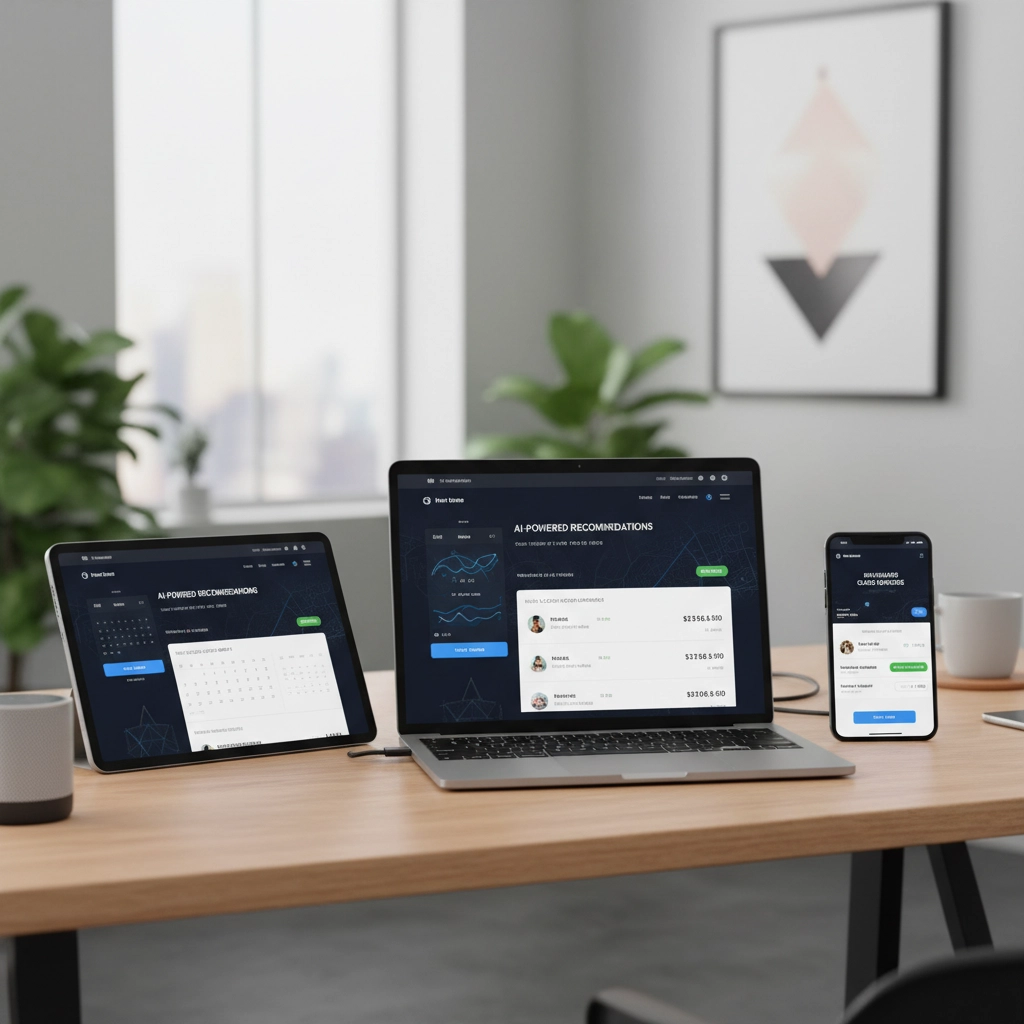
Integrate artificial intelligence into your travel booking process to automate policy enforcement seamlessly. Instead of forcing employees to navigate complex rules, embed policy controls directly into the booking experience. This approach ensures travelers only see compliant options while eliminating the frustration of post-booking rejections.
Modern AI solutions analyze historical data to predict optimal booking timing and pricing trends. These insights help your travelers secure the best available rates while staying within policy guidelines.
Connect Your Systems for Real-Time Visibility
Link your CRM directly to your travel and expense software to capture customer acquisition costs in real time. This integration enables your sales teams to track which travel investments led to successful deals, providing clear visibility into travel ROI by customer and account.
Implement real-time budget monitoring that gives approving managers and finance teams instant visibility into spending patterns. This immediate feedback allows course corrections before budget overruns occur.
Automate the Entire Lifecycle
Streamline every step from initial booking through final reimbursement using integrated expense management tools. Automated policy enforcement happens transparently during booking rather than after the fact, reducing compliance challenges that currently affect 59% of travel decision makers.
Deploy AI-driven analytics that automatically detect expense anomalies and concerning spending patterns. This proactive approach enables swift corrections rather than reactive reviews, helping identify optimization opportunities without manual intervention.
Enhancing Traveler Experience
Design User-Friendly Booking Processes
Create booking experiences that feel effortless while maintaining cost control. The most effective systems guide employees toward compliant choices without making them feel restricted or micromanaged.
Provide clear explanations for policy requirements so travelers understand how guidelines translate into better pricing and value. When employees see the direct benefits of compliance, they naturally become advocates for smart spending practices.
Balance Structure with Flexibility
While establishing necessary controls, avoid making policies so rigid that they create employee resentment. Use dynamic policies that adjust based on business need, trip urgency, and employee level. This demonstrates that your organization values both fiscal responsibility and employee comfort.
Implement tiered approval processes that match authorization levels to trip importance and cost thresholds. This approach ensures appropriate oversight without creating unnecessary delays for routine travel.

Centralize Group Travel Management
Manage company offsites and group events through your centralized travel platform to prevent overspending while ensuring quality experiences. This coordination allows employees to focus on collaboration and relationship-building rather than logistical stress.
Negotiate group rates and block bookings that deliver cost savings while providing consistent service levels. These arrangements often include valuable perks that enhance the overall travel experience.
Measuring and Optimizing Performance
Establish Clear Success Metrics
Track key performance indicators that reflect both financial and satisfaction outcomes. Monitor cost savings compared to baseline spending, improvement in traveler satisfaction scores, and business results influenced by travel investments.
Measure policy compliance rates alongside employee feedback to ensure your program maintains effectiveness without sacrificing user experience. High compliance rates combined with positive satisfaction scores indicate optimal program balance.
Optimize Supplier Relationships
Regularly assess vendor performance and negotiate contracts that secure optimal rates from airlines, hotels, and transportation providers. Communicate these negotiated benefits clearly to employees so they understand the value of preferred supplier programs.
Build strategic partnerships that provide additional value beyond base pricing: priority support, flexible change policies, and enhanced amenities that improve the overall travel experience.

Refine Policies Based on Data
Continuously review and adjust policies using both financial metrics and employee feedback. Policies that worked effectively last year may need modification as your team grows or business priorities evolve.
Use data analytics to identify seasonal patterns, route optimizations, and booking behavior trends that reveal additional savings opportunities. This ongoing analysis ensures your program continues delivering maximum value.
Building Long-term Success
Foster a Culture of Smart Spending
Educate employees about the connection between strategic travel choices and business success. When team members understand how their decisions impact both company performance and their own opportunities for travel, they become natural partners in cost optimization.
Recognize and celebrate employees who consistently demonstrate smart travel practices. This positive reinforcement encourages others to follow suit while building program momentum.
Scale Your Program Strategically
As your organization grows, ensure your travel management systems can accommodate increased volume without losing efficiency. Plan for scalability in both technology platforms and approval processes to maintain performance at any size.
Leverage Competitive Intelligence
Monitor industry benchmarks and best practices to ensure your program remains competitive. Per-employee travel spending averages vary by sector, but modest strategic increases: averaging $184 per employee: can push firms toward their profit-maximizing point.

Your corporate travel program represents one of the most direct opportunities to impact both employee satisfaction and financial performance simultaneously. By implementing integrated solutions that make compliance natural and booking seamless, you create a sustainable competitive advantage that delivers measurable results.
The companies achieving the highest travel ROI recognize that satisfied travelers naturally make better spending decisions. When your program balances cost control with user experience, you unlock the full potential of business travel as a strategic asset that drives growth, builds relationships, and delivers exceptional returns on investment.
For expert guidance on optimizing your corporate travel program, contact USA Entertainment Travel at +1 970-709-0037 or info@usaev.com.