

Executive travel planning can transform from a complex juggling act into a smooth, efficient process when you implement the right strategies. The key lies in establishing systematic approaches that anticipate needs, minimize disruptions, and create seamless experiences for your executive travelers. These five proven methods will help you build a streamlined travel planning workflow that saves time, reduces stress, and ensures every trip runs like clockwork.
Start with Early Planning and Strategic Booking
Your foundation for streamlined executive travel begins the moment travel dates are confirmed. Early planning isn't just about securing better rates: it's about creating the framework that allows every other element of the trip to fall into place smoothly.
Book flights, accommodations, and ground transportation as soon as possible after receiving travel approval. This proactive approach gives you access to preferred seating, room types, and vehicle options that may not be available closer to the travel date. Airlines often release their best inventory 11 months in advance, and hotels typically offer their most competitive rates for early bookings.
Beyond cost savings, early booking provides you with maximum flexibility to make adjustments if meeting times change or additional appointments are added to the itinerary. You'll have the luxury of choice rather than scrambling to find available options during peak travel periods or popular conference dates.
Create a master calendar that tracks all upcoming executive travel needs, including recurring trips, annual conferences, and seasonal business travel patterns. This bird's-eye view allows you to identify opportunities for combining trips, optimizing routing, and securing group rates when multiple executives are traveling to the same destination.
Gather Comprehensive Executive Preferences Upfront
The secret to effortless travel planning lies in understanding your executive's preferences in granular detail. Create a comprehensive profile that goes beyond basic information to include nuanced preferences that can make or break a travel experience.
Document airline preferences, including frequent flyer programs, preferred aircraft types, and seating choices. Note dietary restrictions, meal preferences, and any food allergies that need accommodation. Record hotel preferences such as room location, amenities, and chain loyalty programs. Include ground transportation preferences, whether that's rental car types, ride-sharing services, or preferred car service companies.
Capture timing preferences that reflect your executive's working style. Some prefer early morning flights to maximize business hours at their destination, while others favor evening departures that allow for a full day at the office. Understanding these rhythms helps you create itineraries that work with, rather than against, their natural productivity patterns.
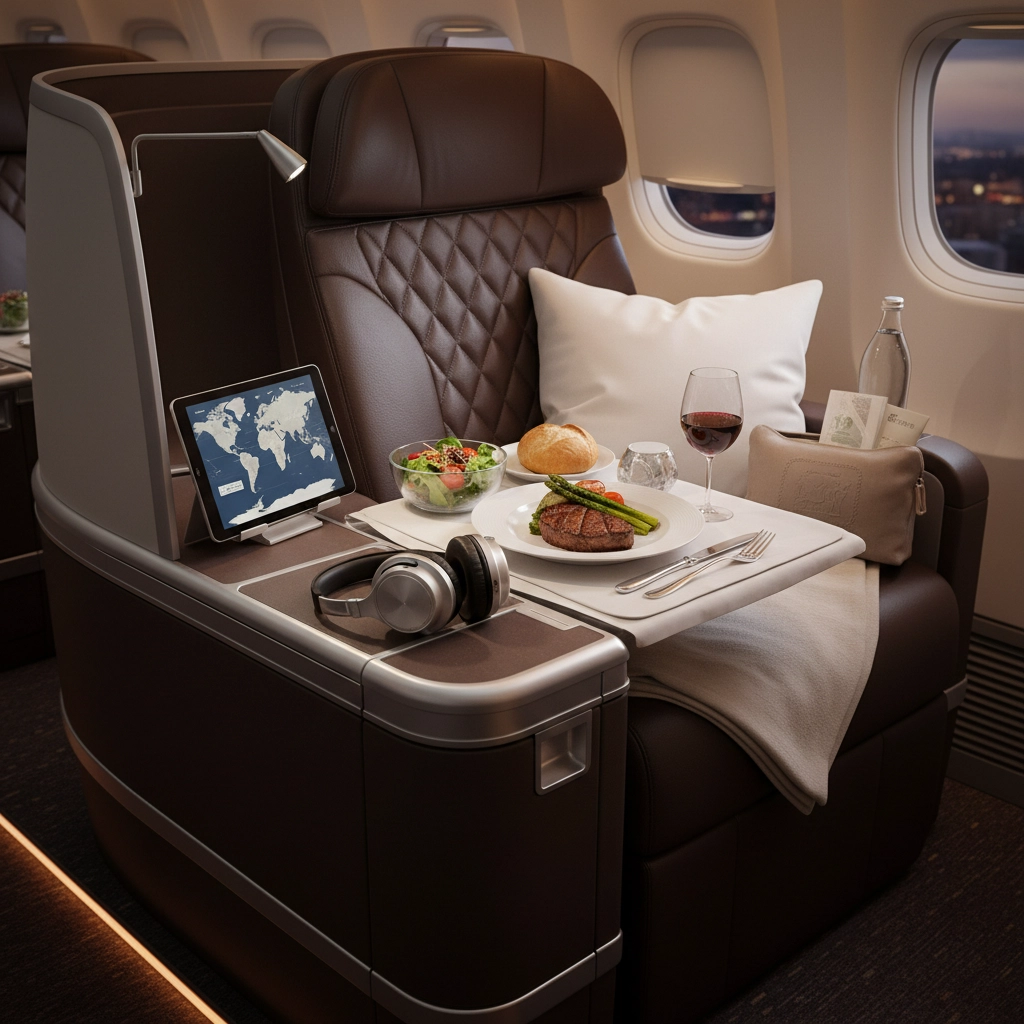
Don't overlook personal comfort details that can significantly impact travel satisfaction. Some executives prefer aisle seats for easy movement, while others want window seats for uninterrupted work time. Temperature preferences, room location requests, and even pillow or bedding preferences can be documented and communicated to ensure comfort throughout the journey.
Update this profile regularly based on feedback from completed trips. What worked well? What caused inconvenience? This continuous refinement process ensures your travel planning becomes more personalized and effective over time.
Design Crystal-Clear, Comprehensive Itineraries
Your itinerary serves as the roadmap for the entire travel experience, and its clarity directly impacts the trip's success. Create documents that are both comprehensive and easy to navigate under pressure, whether your executive is rushing through an airport or preparing for an important meeting.
Structure your itinerary around the trip's primary objectives, whether those are client meetings, conference attendance, or site visits. Group related activities together and build supporting elements like meals and transportation around these core commitments. This logical flow makes it easy for your executive to understand the trip's rhythm and prepare accordingly.
Format information for quick scanning with bold headings, clear time stamps, and consistent formatting throughout. Use bullet points to break down complex information and include confirmation numbers, contact information, and addresses for every element of the trip. Consider creating both a detailed master itinerary and a condensed version that fits on a single page for quick reference.

Include context that helps your executive prepare for each element of the trip. For meetings, provide background on attendees, discussion topics, and desired outcomes. For dining reservations, note dress codes, cuisine types, and any relevant business context. For transportation, include terminal information, check-in procedures, and estimated travel times.
Provide both digital and printed versions of the itinerary. While digital formats allow for real-time updates and easy sharing, printed backups ensure accessibility even when devices lose power or connectivity. Consider creating a mobile-friendly format that displays well on smartphones for quick reference on the go.
Build in Strategic Flexibility and Buffer Time
Smart executive travel planning anticipates the unexpected and builds in cushions that prevent minor disruptions from derailing entire itineraries. Strategic buffer time isn't wasted time: it's insurance that protects your executive's most important commitments.
Add meaningful gaps between connecting flights, especially during weather-prone seasons or when traveling through busy hub airports. A 90-minute connection might work in perfect conditions, but a two-hour buffer provides peace of mind and reduces the stress of rushing through airports. This extra time also accommodates potential delays in security lines or boarding procedures.
Schedule ground transportation with generous timing that accounts for traffic patterns, weather conditions, and route alternatives. If a meeting location is 20 minutes from the hotel, plan for 45 minutes of travel time during peak traffic hours. This buffer allows for unexpected delays while ensuring your executive arrives calm and prepared rather than frazzled and rushed.

Create contingency plans for critical travel elements. Identify backup flights for important meetings, alternative hotel options if the primary reservation falls through, and secondary transportation methods if the primary option becomes unavailable. Document these alternatives in your travel file so you can execute them quickly if needed.
Consider the ripple effects of schedule changes on the entire itinerary. If a morning flight gets delayed, which afternoon appointments might need adjustment? If a meeting runs long, what's the latest departure time that still allows for a reasonable arrival at the next destination? This forward-thinking approach helps you make quick decisions when circumstances change.
Implement Real-Time Communication and Monitoring
Effective executive travel management extends beyond the planning phase into active trip monitoring and communication. Real-time awareness of travel conditions allows you to address issues proactively rather than reactively, often preventing problems before your executive even becomes aware of them.
Set up flight tracking systems that monitor your executive's flights and send automatic notifications about delays, gate changes, or cancellations. Many travel management platforms offer these services, or you can use airline apps and third-party tracking services. This early warning system gives you precious time to arrange alternatives or adjust schedules before problems compound.
Establish communication protocols that keep your executive informed without overwhelming them with unnecessary details. Send daily briefings during multi-day trips that highlight the next day's schedule, confirm reservations, and note any changes from the original itinerary. Use their preferred communication method, whether that's email, text messaging, or a shared calendar system.
Create a support network that includes key contacts at frequently used hotels, car services, and restaurants. These relationships allow you to make quick adjustments and get priority assistance when issues arise. Hotel concierges, car service dispatchers, and restaurant managers can become valuable allies in ensuring smooth travel experiences.
Monitor weather conditions, traffic patterns, and local events that might impact your executive's travel plans. A major conference in the destination city might create hotel availability issues or traffic congestion. Weather delays at connecting airports could affect multiple flights throughout the day. This situational awareness allows you to anticipate challenges and communicate proactively with your executive about potential adjustments.
Transform Your Executive Travel Management Today
Streamlining executive travel planning requires systematic approaches, attention to detail, and proactive communication. These five strategies work together to create a comprehensive framework that transforms complex travel logistics into manageable, efficient processes. When you plan early, understand preferences, create clear itineraries, build in flexibility, and monitor actively, you'll find that even the most complex multi-city international trips become smooth, professional experiences.
The investment in developing these systems pays dividends in reduced stress, increased productivity, and enhanced professional relationships. Your executives can focus on their business objectives rather than travel logistics, while you gain confidence in your ability to handle any travel challenge that arises.
Ready to revolutionize your executive travel planning process? Contact USA Entertainment Travel today to discover how our comprehensive corporate travel management solutions can streamline your travel operations and enhance your executive travel experiences.
Contact USA Entertainment Travel:
Phone: +1 970-709-0037
Email: info@usaev.com